
Harare Correspondent
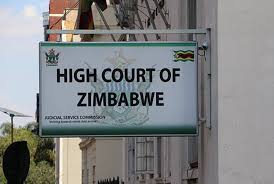
Harare – In a landmark ruling, the High Court has declared sections of Zimbabwe’s controversial Criminal Law (Codification and Reform) Act, widely known as the Patriotic Act, unconstitutional, sparking renewed demands for its complete repeal.
President Emmerson Mnangagwa signed the law in July 2023 despite fierce opposition from human rights groups, both locally and internationally. The legislation imposes harsh penalties, including 20-year jail terms and revocation of citizenship, for those accused of undermining Zimbabwe’s sovereignty or advocating for international sanctions.
Court Strikes Down Vague and Repressive Provisions
High Court Judge Justice Roger Manyangadze ruled last week that key sections of the Act violate constitutional rights, following a legal challenge by the Media Alliance of Zimbabwe (MAZ) and journalist Zenzele Ndebele.
The applicants argued that Section 22A(3) of the Act was overly vague and infringed on constitutional guarantees of freedom of expression, assembly, association, and political participation. They also contested poorly defined terms like “agents, proxies, or entities of foreign governments” and phrases such as “subverting constitutional government,” which they said could be abused to suppress dissent.
“The provisions are broadly worded and have a high potential for abuse, aimed at silencing opposing voices,” the applicants argued.
Human Rights Groups Hail Ruling, Demand Full Repeal
Idriss Nassah, a senior researcher at Human Rights Watch (HRW), welcomed the judgment but urged the government to scrap the entire law.
“While striking down sections is a positive step, Zimbabwe should repeal the draconian Patriotic Act altogether,” Nassah said.
“Its vague provisions criminalize basic freedoms—like discussing sanctions—and violate international human rights law.”
Nigel Nyamutumbu, MAZ coordinator, called the ruling a “landmark” victory for constitutional rights.
“The Act’s ambiguous framing sought to control how citizens engage with foreign entities, directly threatening media freedom and enabling state censorship,” Nyamutumbu said.
“This ruling revitalizes our fight for fundamental freedoms, though the journey ahead remains difficult.”
Media Advocates Celebrate ‘Incremental Gain’
Njabulo Ncube, coordinator of the Zimbabwe National Editors Forum, described the judgment as a “small but significant” win for press freedom.
“We celebrate, though we had hoped the entire Act would be struck down,” Ncube said.
“This law criminalizes journalism and should never have been signed. The president must reconsider this repressive legislation.”
Government Yet to Respond
The ruling places pressure on Mnangagwa’s administration, which has faced criticism for tightening restrictions on dissent. The Justice Ministry and Attorney General’s office, named as respondents in the case, have not yet commented on whether they will appeal.
For now, activists and journalists see the judgment as a critical step toward rolling back one of Zimbabwe’s most controversial laws—but the fight for its full repeal continues.
Zim GBC News©2025