
Sithembinkosi L Jiyane
Business Reporter
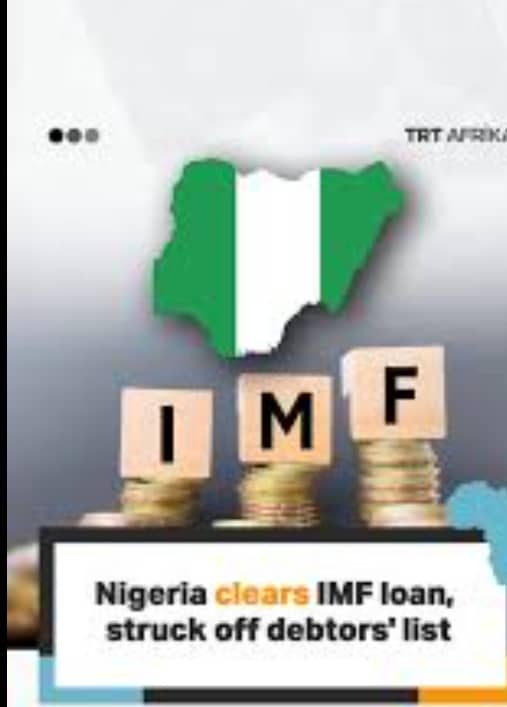
Nigeria has fully settled its $3.4 billion debt to the International Monetary Fund (IMF), which was borrowed five years ago to mitigate the economic effects of the COVID-19 pandemic.
This move marks a crucial step towards reducing the country’s reliance on external loans and achieving financial independence, paving the way for domestic economic reforms.
Nigeria’s repayment of its IMF debt marks a remarkable achievement, making it one of the few developing countries to attain debt-free status. This milestone presents a unique opportunity for Nigeria to stabilize its currency, reducing the risk of currency fluctuations and maintaining economic stability. A stable currency will also make it easier for businesses to operate and for investors to invest in the country.
The repayment also presents an opportunity for Nigeria to attract foreign investors, boosting its credibility among global financial institutions and increasing access to foreign capital. With a debt-free status, Nigeria can now allocate more resources towards critical sectors such as infrastructure, healthcare, and education, driving economic growth and development. This will have a positive impact on the lives of Nigerians, creating jobs, improving living standards, and reducing poverty.
Nigeria’s successful repayment of its IMF debt demonstrates the country’s dedication to honoring its international financial commitments. This achievement is likely to boost Nigeria’s credibility among global financial institutions, making it easier for the country to access foreign capital and investment in the future.
However, the country must remain vigilant and maintain fiscal discipline, as it still faces annual Special Drawing Rights (SDR) charges. To effectively manage its external obligations, Nigeria must adopt strategic financial planning, prioritizing debt management and fiscal sustainability. This will involve making prudent economic decisions, balancing spending with revenue generation and maintaining a stable macroeconomic environment.
Furthermore, Nigeria must diversify its economy, reducing its reliance on oil exports and increasing investment in non-oil sectors. This will make the country less vulnerable to fluctuations in the global oil market and create new opportunities for economic growth and development. By maintaining fiscal discipline and implementing sound economic policies, Nigeria can build on its success and achieve sustained economic growth and development.
Nigeria’s successful repayment of its $3.4 billion IMF debt is a major breakthrough that paves the way for economic stability and independence. This achievement unlocks new opportunities for Nigeria to strengthen its economy, attract investment, and improve the lives of its citizens. While there are still challenges ahead, Nigeria’s commitment to prudent financial management and economic reform will be key to sustaining its progress and achieving long-term prosperity.
Meanwhile Zimbabwe’s IMF public debt surpasses $12. 3bn. Despite the ballooning unpaid areas and deepening economic isolation, the country’s quasi- fiscal initiatives continue to raise concerns.
Still, Zimbabwe’s government unlike Nigeria, continues plans to borrow and/ or secure billions of dollars in loans rather than repaying debts.
Zim GBC News© 2025