

Sithembinkosi L Jiyane
Business Reporter
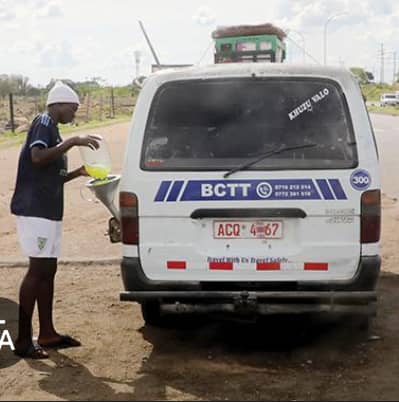
Bulawayo, Zimbabwe, is a nation filled with dealers who brazenly go about their business, especially those who sell fuel in the black market.
The selling of petrol and diesel that was smuggled into the country, which is against Government rules has became a norm. Causing many problems with people buying poor-quality fuel that can damage their cars. They are also storing fuel in their homes, which is a fire hazard.
This scourge of black market fuel trade contributes to inflation, as fuel prices are inflated due to scarcity and high demand. It also undermines trade, as legitimate businesses struggle to compete with black market operators. Furthermore, the black market fuel trade hinders economic growth, as resources are diverted away from productive activities.
https://chat.whatsapp.com/Ie9sqY5kRiE1lgrXlVeo0l
The long-term consequences include increased corruption, reduced government revenue, and a lack of investment in the energy sector. Additionally, the black market fuel trade can lead to environmental degradation, as fuel is often stored and handled improperly.
The return of illegal fuel sellers shows that the authorities are struggling to enforce the rules and that many people don’t trust the government’s fuel policy. The government needs to stop the illegal sellers and also educate people about the good things about mixing ethanol with fuel.
“I discovered that selling fuel can be more profitable than in fuel service stations because I can add my own percentage. I was inspired by others who are doing it because I realized that it is an easy way to survive, plus it is a genuine business from my perspective, even if it is illegal. I believe I am not harming anyone; I am just trying to make a living,” said Ashenty.
The fuel being sold on the black market may be hazardous for vehicles and could lead to car breakdowns, engine damage, or even fires. This illicit fuel may be adulterated, contaminated, or of poor quality, which can cause serious problems for vehicles, including clogged fuel filters and injectors, corroded engine components, reduced engine performance and efficiency, increased emissions and environmental pollution
Furthermore, using black market fuel can also void vehicle warranties and lead to costly repairs. It is essential for motorists to purchase fuel from reputable and licensed dealers to ensure their safety and the longevity of their vehicles.
”The fuel is dangerous for cars because some of these fuels may be diluted with water or other chemicals, or mixed incorrectly. This contamination can cause serious damage to vehicle engines and fuel systems,” Milidzi said.
“There is a rumor that people who sell fuel on the black market can tamper with it, which can affect people’s cars. However, I would never do that because I rely on this business. If I did that, I would lose customers,” Ashenty proclaimed.
“I sell diesel for \$7 per 5 liters, and I get the diesel from fuel stations using coupons because it is easier and cheaper that way,” he added.
Zimbabwe’s current fuel prices have been announced, with Blend fuel costing USD 1.59 per liter and Diesel at USD 1.68 per liter. However, a significant price disparity exists between the official Diesel price (USD 8.40 per 5 liters) and the black market price (USD 7 per 5 liters). This suggests a thriving black market, potentially driven by price controls or shortages. While cheaper, black market fuel raises concerns about safety, quality, and lost government revenue.
Zim GBC News© 2025