

Milidzi Ncube
Political desk
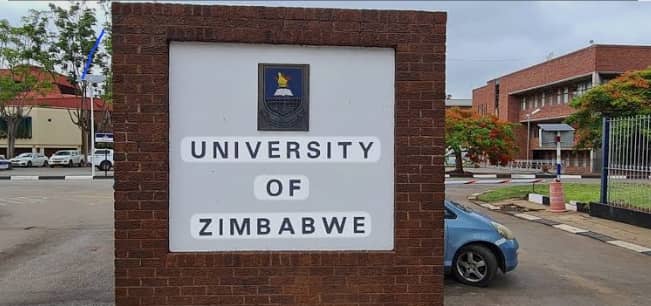
The ongoing strike by University of Zimbabwe (UZ) lecturers has reached a critical point, with no resolution in sight and the potential to escalate into a nationwide higher education crisis
Here’s a breakdown of the situation and its implications:
Key Developments
- Prolonged Strike (56 Days and Counting)
- Lecturers remain steadfast in their demands for better salaries and improved working conditions, despite being ignored by university authorities and the government.
- The strike has disrupted academic activities for over three weeks, leaving students in limbo despite paying tuition fees.
- University’s Ineffective Response
- UZ authorities have hired part-time lecturers to maintain operations, but this has failed to address the core issues.
- Students argue that the stopgap measures are insufficient, as the absence of permanent lecturers has severely affected the quality of education.
- Student Backlash and Calls for Government Intervention
- The Zimbabwe National Students Union (ZINASU) has petitioned the Ministry of Higher and Tertiary Education, demanding urgent intervention.
- Students emphasize that the administration’s claim of “business as usual” is false, as learning has been paralyzed.
- Risk of Nationwide University Shutdown
- The Association of University Teachers (AUT) has threatened to expand the strike to all 14 state universities, which could paralyze higher education across Zimbabwe.
- Lecturers from other institutions are reportedly mobilizing in solidarity, inspired by UZ’s resistance.
Potential Consequences if the Strike Continues
- Academic Year Disruption: Prolonged strikes could lead to an extended or lost academic year, worsening student frustrations.
- Economic Impact: Lecturers’ unresolved grievances may lead to brain drain, further weakening Zimbabwe’s education sector.
- Government & University Credibility Crisis: Continued inaction could erode trust in the government’s ability to manage higher education.
- Immediate Government Mediation: The Ministry must engage lecturers in meaningful salary negotiations to prevent further escalation.
- Student-Led Pressure: Continued student protests could force authorities to act faster.
- Transparent Dialogue: University management should stop piecemeal solutions (like hiring part-timers) and address lecturers’ demands directly.
The UZ strike is no longer just a local issue—it risks becoming a national education emergency. If the government and university authorities continue to ignore the lecturers’ demands, Zimbabwe could face a complete shutdown of state universities, with long-term damage to the country’s academic reputation and student futures.
Will the government step in before it’s too late?
Zim GBC News©2025