

Thursday 22 Janaury 2026
Innocent Sibonginkosi Ncube | Zim GBC News
Health experts are raising the alarm over a significant and sustained decline in testosterone levels among men globally, a trend now affecting younger generations including teenagers and men in their twenties. This hormonal shift, they warn, impacts far more than libido, influencing energy, focus, ambition, and overall vitality.
Research underscores a worrying generational drop. A 2021 study published in the Journal of Clinical Endocrinology & Metabolism found that average total testosterone levels in young men aged 15 to 40 fell by approximately 25% between 1999 and 2016. Data suggests modern men have lower testosterone than their fathers or grandfathers did at comparable ages.
“Testosterone is a crucial biological signal for male health, influencing muscle mass, bone density, red blood cell production, and mental well-being,” said Dr. Anesu Chikumba, a Harare-based endocrinologist consulted by Zim GBC News.
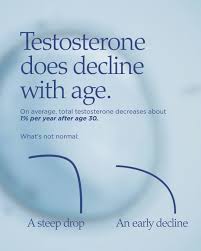
“This decline is not a normal part of aging. We are seeing it in progressively younger patients, and the primary drivers appear to be environmental and lifestyle factors, not genetics.”
Medical professionals point to a confluence of modern habits as the likely cause:
· Dietary Shifts: High consumption of processed foods and sugar.
· Sedentary Behavior: Lack of physical activity and resistance training.
· Obesity: Excess body fat directly promotes the conversion of testosterone to estrogen.
· Sleep Deprivation: Chronic poor sleep quality severely disrupts hormone production.
· Digital Overload: Constant screen time, social media use, and pornography consumption can overstimulate dopamine pathways and reduce motivation.
· Environmental Factors: Reduced exposure to natural sunlight and potential endocrine disruptors in plastics.
“This is a multifaceted public health issue,” explained Dr. Tafadzwa Moyo, a physician specializing in men’s health.
“The body is being hijacked by convenience and constant stimulation. To counter this, we need a return to foundational health principles: whole foods, purposeful movement, quality sleep, sunlight exposure, and managing stress.”
Experts recommend actionable steps to support natural hormone levels, including adopting a nutrient-dense diet, engaging in regular strength training, prioritizing sleep, managing screen time, and spending time outdoors.
FOLLOW US FOR REAL-TIME UPDATES:
· X (Twitter): @ZimGbc
· Instagram: @ZimGBCNews
· TikTok: @ZimGBCNews_01
· Facebook: Zim GBC News
· YouTube: Zim GBC News
Get real-time alerts on WhatsApp:
+263 773 820 323
For in-depth coverage, visit our website: www.zimgbcnews.co.zw
Zim GBC News | Global News From An African Perspective©2026