
By Keith Jeketera | Gender and Community Reporter
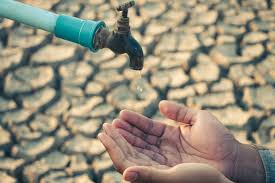
A severe drought has plunged Bulawayo into a critical water crisis, with the city’s residents now receiving piped water for less than six days a week as authorities struggle to maintain a collapsing supply infrastructure.
The situation has become so dire that three of the city’s six major reservoirs have been shut down, forcing citizens to rely on boreholes, rivers, and stored water in JoJo tanks, raising alarms over hygiene and the potential outbreak of water-borne diseases.
“It’s become a daily struggle fetching water; our lives are really tough now,” said Thandiwe Ncube, a resident of the city.
Her sentiment is echoed across neighbourhoods, where the burden of the water shortage falls heaviest on the poor.
In areas like Makokoba, the crisis is acute.
“For us in Makokoba, it’s a real challenge; sometimes we go days without proper water,” explained community member Memory Dube.
The lack of reliable water access has led to inadequate sanitation, with local health officials warning of increased risks of cholera and typhoid.
With the municipal supply failing, many have turned to alternative sources, but safety concerns persist.
“We have no choice but to use borehole water, but we’re worried about safety,” remarked Sipho Moyo.
This anxiety is compounded by reports of residents drilling illegal boreholes under cover of darkness to avoid council fees, a practice that complicates city monitoring and quality control.
Council Response and JoJo Tank Scrutiny
The Bulawayo City Council (BCC) is facing mounting pressure to address the crisis. Councilor Ntando Moyo revealed that the council is exploring innovative, if controversial, measures to manage water usage, including using drones to assess the prevalence of private JoJo tanks.
“We’re looking into how we can fairly bill residents with JoJo tanks for their water usage patterns,” Councilor Moyo explained.
The Council has also cautioned residents against connecting private water sources like boreholes or tanks to the city system, warning it could complicate tracing the source of potential contamination.
While the BCC has installed public boreholes to alleviate the suffering, officials admit that drilling and maintenance costs are prohibitive.
“These boreholes help, but they’re not enough for everyone,” noted local resident Tendai Chikomo.
The Council also continues to grapple with frequent water bursts and leaks, straining its limited resources.
Residents Demand Action
Frustration is boiling over among residents who feel abandoned.
“This water crisis is killing us. We need solutions, not just talk,” said a concerned citizen, Regina Sibanda.
Many voices, particularly those of caregivers, highlight the human cost of the emergency.
“As a mother, I’m worried sick about clean water for my kids. What if they get sick from bad water?” one resident questioned. Another added,
“The Council needs to do more; we can’t keep living like this with water shortages all the time.”
There are growing calls for urgent national government intervention to provide funding and implement long-term solutions to secure the City’s water supply, as the current measures are widely seen as a stopgap for a deepening humanitarian concern.
Follow Zim GBC News for real-time updates:
· X (Twitter): @ZimGbc
· Instagram: @ZimGBCNews
· Tiktok: @ZimGBC_01
· Facebook: Zim GBC News
· Youtube: Zim GBC News
Get alerts on WhatsApp:
+263 773 820 323
For in-depth coverage, visit our website: www.zimgbcnews.co.zw
Zim GBC News | Global News From an African Perspective©2025