

Ashley Dean Misho | Arts and Entertainment Reporter
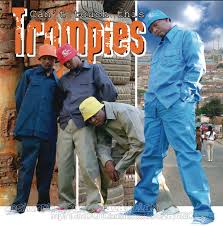
Every culture has its own shorthand for a volatile romance. For South Africa, that term is “Madibuseng.” More than just a hit song by Kwaito pioneers Trompies, it is a cultural landmark a three-minute party track that distilled the complexities of a relationship into a perfect, universally understood metaphor: the traffic light.
While the Kwaito era produced countless anthems, “Madibuseng,” a standout track from their work, has proven enduring. Its genius lies not only in its irresistible beat but in its witty, relatable storytelling that has transcended the dancefloor to become a permanent fixture in the country’s everyday lexicon.
Madibuseng” by Trompies refers to a girlfriend with mood swings, comparing her changing moods to the three phases of a traffic light: green, orange, and red. The song also describes a situation where a man’s hidden reckless lifestyle is exposed to his girlfriend.
The song uses the traffic light’s stages – green (good), orange (caution), and red (stop/danger) – to represent the different moods and behaviors of the woman.
The song’s protagonist, the titular Madibuseng, is a girlfriend whose emotional landscape is as changeable as the phases of a robot. Trompies masterfully decoded her moods into a system everyone who has ever driven a car instinctively understands, green Light, is where she is happy, agreeable, and the relationship is cruising smoothly down a open highway, orange Light, the mood shifts to caution. Warning signs flash, the energy becomes tense, and her partner knows he must tread carefully to avoid a catastrophic collision, red Light, this is the danger zone where her anger ignites, arguments erupt, and all forward motion in the relationship grinds to a halt.
“Madibuseng uyirobot, sometimes uyi red, sometimes uyi green, sometimes uyi orange”
This simple yet devastatingly accurate analogy provided a nation with the vocabulary to describe the most frustrating and familiar of romantic dilemmas.
The narrative deepens in the song’s second act. It chronicles the man’s attempt to lead a double life—playing the devoted boyfriend by day while secretly indulging in a reckless lifestyle of drinking and partying with his friends.
The song’s climax is the inevitable crash. His carefully constructed facade crumbles, and his hidden life is catastrophically “exposed to his girlfriend.” “Madibuseng” captures the universal panic of being caught, the end of deception, and the ensuing confrontation, all set against the ominous backdrop of those ever-changing traffic light moods.
“Madibuseng” remains a staple at parties, weddings, and family gatherings, a testament to its timeless appeal. Its longevity is a product of musical genius married to lyrical brilliance.
“Madibuseng” is a powerful reminder that the greatest pop songs often do more than make us dance. They hold up a mirror to our lives, giving us the words to describe our shared experiences and, in doing so, weave themselves into the very fabric of a culture. Trompies didn’t just create a hit; they gave South Africa a lasting metaphor for chaos, caution, and charm.