

Reporter: Bonginkosi Chantelle Ncube
It’s a Tuesday in Zimbabwe, and we all know it’s buy-one-get-one-free pizza legendary day.
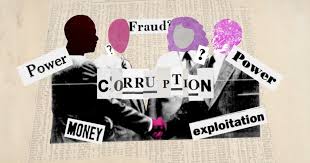
But today’s “special offer” comes straight from the corridors of power: one big corruption arrest, one quiet release free.
Welcome to another shadowy bargain in Zimbabwe’s troubled anti-graft landscape.
Arrest me, but the big fish walk free
In 2022 alone, the Zimbabwe Anti-Corruption Commission (ZACC) received 684 complaints of suspected corruption. Of these, 332 (48.5%) were classified as criminal abuse of duty, and 247 (36.1%) as fraud.
From those, 335 were against public officials, with 255 in government ministries and 80 in local authorities/parastatals.
Are the numbers getting confusing? Let me simplify it: the system works in favour of those government sees fit, or rather those who can afford to work the system.
In the rare case of a success story, 235 public officials were arrested for illegal land deals and abuse of office.
ZACC forwarded these to the National Prosecuting Authority (NPA). The Commission also flagged tainted assets worth US$135 million.
Yet, arrests alone don’t equal justice. As seen in one Midlands province snapshot from 2024: 33 cases were reported and only 11 investigated and sent to NPA.From these 11, only 2 resulted in convictions, 1 acquittal, and 4 were dropped due to lack of evidence.
This is a local-level replication of the national pattern.
High-Profile Flashpoints with No Follow-Through
Some of the most dramatic corruption dramas end in no convictions.
Former Health Minister Obadiah Moyo was arrested in 2020 for allegedly awarding US$60 million in shady COVID-19 contracts without proper tendering. Charges were dropped in 2021 due to “lack of clarity” by the prosecution.
Priscah Mupfumira, once Tourism Minister, was arrested for allegedly diverting US$94 million from the pension fund. She cited mental illness, evaded court, and in 2023 was flaunting a run for Parliament.
Why It’s More Than a Punchline
This isn’t just corruption drama; it’s an institutional crisis.
Zimbabwe’s 2024 Corruption Perceptions Index score dropped from 24 to 21, now ranking 158 out of 180 countries—below both the global average of 43 and the sub-Saharan average of 33.
The Prosecutor General warns that rising corruption is outpacing the implementation of whistleblower protection laws, making witness testimony risky and unreliable.
International briefs underscore how political will and weakened oversight agencies make anti-corruption efforts perform poorly, especially when elites are involved.
Voices from the Ground
Tafadzwa Chikumbu, Executive Director of Transparency International Zimbabwe, says:
“We’ve seen 235 arrests, but conviction rates lag. People lose land, dignity, yet only small fry face consequences.”
Brian Muzemba, Gweru public prosecutor, highlights the necessity of community cooperation:
“Without witnesses or solid evidence, many cases are dropped. Fear, threats—these are what ensures that big fish stay free.”
In Zimbabwe, for every high-profile arrest captured in headlines, there’s a nearly invisible acquittal, bail, or abandonment that follows. This “Buy One Arrest, Get One Free” model isn’t funny—it’s corrosive.