

Zim GBC News Network Investigations
Bulawayo – In a series of coordinated raids, Zimbabwean authorities have intercepted massive quantities of unregistered medicines flooding the streets, even as convicted drug kingpins walk free on controversial bail rulings.
The operations have exposed a thriving underground market preying on Zimbabwe’s disillusioned youth amid rampant unemployment and alleged political complacency.
· DRUG KINGPIN WALKS… Gary Bell freed on bail | Read Full Story
· BRONCO CRAZE! Police intercept deadly drugs flooding streets |
Latest Police Intercepts Deadly Cough Syrup Shipments
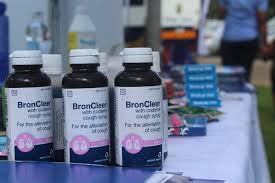
Alert detectives at the Beitbridge Border Post on August 24 pounced on truck driver Asha Muchenje attempting to smuggle 19 boxes of Broncleer cough syrup and three boxes of Astra-Pain cough syrup stashed behind his seat. Each box contained dozens of 100ml bottles of the addictive liquid .
Barely 24 hours later, detectives swooped on Southerton, Harare, where Claris Matorerwei (53) and Admore Gaadza (53) were busted with 12 boxes of Astra-Pain cough syrup in their Toyota Hilux.
In a simultaneous operation on the same road, Munyaradzi Korovedzai (46) was caught with 20 boxes of Broncleer cough syrup hidden in his Toyota Corolla .
“Unregistered medicines are a ticking time bomb because they bypass quality checks and pose serious health risks to unsuspecting users,” police spokesperson Chief Inspector Simon Chokocho stated during a press briefing Tuesday.
Health Crisis: Why Broncleer Kills
Broncleer is a prescription cough syrup containing a dangerous combination of alcohol and codeine – an opioid that attaches to brain receptors, creating euphoria and relaxation when abused . Medical experts warn that misuse can lead to:
Health Impacts of Codeine Abuse
Short-Term Effects Long-Term Consequences Withdrawal Symptoms
Respiratory depression Kidney and liver damage Muscle and bone pain
Nausea and vomiting Chronic constipation Insomnia and anxiety
Poor coordination Mental health disorders Severe cravings
Slowed breathing Physical dependence Cold flashes and chills
“Drug abusers can take anything that they think will keep them euphoric or sedated, and cases of organic psychosis are on the rise,” says Dr. Johannes Marisa, president of the Medical and Dental Private Practitioners’ Association of Zimbabwe .
The crisis has overwhelmed Zimbabwe’s healthcare system.
Statistics from Sally Mugabe Hospital Psychiatric Unit indicate skyrocketing drug-related admissions, with Parirenyatwa Marimba, medical superintendent for Ngomahuru Mental Health Hospital, reporting that “80% of admissions are juvenile and adult patients presented with drug-induced psychosis” .
Political Response: Crackdowns and Contradictions
The Zimbabwe Republic Police recently launched a national operation, “No to illicit drugs and substances,” netting 1,903 suspected drug peddlers and users by February 10 of this year . Home Affairs Minister Kazembe Kazembe claims authorities are “on the trail of several high-profile drug kingpins,” insisting that “police and politicians are among the suspects, and they will be accounted for” .
Yet critics question the government’s commitment, particularly when high-profile dealers like Gary Bell walk free. The convicted Bulawayo drug dealer was granted bail just weeks after being sentenced for possession of cocaine and ecstasy with a street value exceeding $500 .
ZANU PF officials have addressed the crisis rhetorically. Tendai Chiwetu, Youth League Secretary for Administration, recently stated:
“We as youths have problems among unemployment and drugs and substance abuse. We must therefore look constantly at our urban mobilisation strategy” .
But opposition leaders demand more than words.
“This isn’t about strategy; it’s about systemic corruption that allows drugs to flow freely while our youth perish,” asserts Promise Mkwananzi, spokesperson for the Citizens Coalition for Change.
Youth Despair: Economic Bleakness Fuels Addiction Crisis
With Zimbabwe’s official unemployment rate hovering around 80% and youth unemployment even higher, experts identify economic desperation as a primary driver of substance abuse.
According to the World Health Organization’s 2019 report, Zimbabwe has the highest rate in Africa of 15-19-year-olds engaging in heavy “episodic drinking” – 70.7% of males and 55.5% of females .
Demographic Most Affected by Drug Abuse
•15-19 years Alcohol, cannabis, codeine syrups Heavy episodic drinking: 70.7% males, 55.5% females
•18-25 years Crystal meth, Broncleer, prescription drugs 39% use drugs regularly
•26-29 years Cocaine, ecstasy, heroin 34% use drugs regularly
“Drivers of drug abuse include peer pressure, broken families, emotional and physical abuse, and curiosity, often resulting in addiction,” notes a Ministry of Health report .
But it acknowledges another powerful factor:
“American pop culture. Young people in Africa are hooked onto television where film and music stars glorify drug usage” .
Beyond international influences, locals are flooding the market with cheap, highly intoxicating substitutes such as musombodiya (a colourless drink made from ethanol), while young addicts even dip diapers and bleach products in boiling water and inhale the vapors as intoxicants .
Convenient Distraction? Questioning Official Complicity
Many activists openly question whether authorities are deliberately turning a blind eye to the drug crisis. “Drug and substance abuse is a manifestation of a problem. The problem is corruption and supply of drugs. So if we cut the supply, obviously the demand will die,” says Knowledge Mpembe, Programs Officer of Zimbabwe Civil Liberties and Drug Network (ZCLDN) .
Zimbabwe ranks 157 out of 180 countries on the 2022 Corruption Perceptions Index, making porous borders and police complicity major concerns . With South Africa, Zambia and Mozambique emerging as new sources for both hard and prescription drugs, the question becomes: could this epidemic be convenient for a government facing discontent over failed economic policies?
“Politics is a game of numbers,” ZANU PF’s Tendai Chiwetu declared at a recent party meeting . With 65% of Zimbabwe’s population being youth, and the youth vote expected to play a key role in the next elections, some analysts suggest the drug crisis conveniently keeps potential young dissidents sedated and apathetic.
“An intoxicated, addicted youth doesn’t protest failed policies or demand accountability,” says political analyst Rejoice Ngwenya. “They’re too focused on their next high to mobilize against governance failures.”
Future Outlook: Can Zimbabwe’s Drug War Ever Be Won?
The solution requires more than police raids. Zimbabwe desperately needs:
- Comprehensive rehabilitation services: “Rehabilitation centres for drug addicts are quite a few in our country,” acknowledges Dr. Marisa. “It is difficult for an addict to abruptly stop drug abuse, hence the need for rehabilitation at secluded places” .
- Economic opportunities for youth: Without addressing the root causes of despair – unemployment exceeding 80% among young people – treatment alone will fail.
- Serious anti-corruption measures: Until the supply chain is disrupted at its source, including alleged high-level protectors, the flood of drugs will continue.
- Evidence-based prevention programs: Educational initiatives must counter the glamorization of drugs in popular culture while providing realistic alternatives.
As Zimbabwe struggles with this compounding crisis, families continue losing children to addiction, and communities remain trapped between predatory dealers and allegedly complacent authorities. The question remains: is there genuine political will to save Zimbabwe’s next generation, or will the drug crisis continue serving as social control mechanism?
Zim GBC News | Global News From An African Perspective©