

By Innocent Sibonginkosi Ncube
Zim GBC News Editor
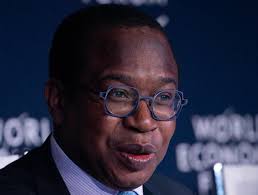
In a radical move to restore fiscal sustainability, Zimbabwe’s Finance Minister Mthuli Ncube has announced a decisive cap on civil service expenditure, limiting it to no more than 50% of the national budget. This bold measure comes amid mounting economic pressures and a shrinking tax base that has undermined the country’s financial stability.
Austerity Measures and Structural Reforms
The government’s wage bill containment strategy includes rationalizing public service posts, right-sizing employment, cutting budget travel, and streamlining foreign missions. These measures follow the elimination of 3,000 government positions between September 2024 and June 2025, alongside ongoing efforts to root out ghost workers through nationwide biometric audits across ministries and agencies .
Minister Ncube acknowledged the gravity of the situation:
“We agree that this is high. Clearly, this is of concern to us as Treasury, and we will make every effort to manage this. They (civil servants) work very hard, and they want to put pressure on us to keep improving their working conditions. This pushes up the wage bill, and therefore we have to balance the situation” .
The initiative, approved by Cabinet last year, followed a comprehensive Public Service Commission appraisal across 21 ministries that revealed widespread inefficiencies. The audit identified grade advancements violating job evaluation principles, overlapping roles, functional duplications, identical duties among directors and chief directors, and managerial positions outnumbering non-managerial ones .
Historical Context: From 80% to 50%
Ncube highlighted the progress made in reducing the wage bill from historical highs:
“It used to be 80%, and we’ve come a long way, but our target is a maximum of 50%, no more than 50%. This is an issue which I agree with observers on” .
Currently, civil service expenditure consumes 56.4% of the national budget, down from the previous 80% but still above the government’s new target. The reduction represents a significant fiscal adjustment aimed at freeing up resources for critical development projects and essential public services .
Economic Pressures and Shrinking Tax Base
The wage cap decision comes amid a shrinking tax base and slowing economic activity that have strained public finances. Economist Gift Mugano noted that informalization has reached 76% of the economy, significantly reducing tax revenues. Intermediated money transfer tax contributions have declined from 16% to 7% of ZIMRA’s total revenue, while VAT collections have also been adversely affected .
This fiscal pressure has been exacerbated by years of contentious relations between the government and civil servants over salary disputes. Since President Emmerson Mnangagwa took office in November 2017, teachers, doctors, and nurses have repeatedly protested, demanding US dollar salaries that match the 2018 levels of between US$520 and US$550 per month .
Civil Service Reactions and Contentious History
The government’s relationship with civil servants has been marked by prolonged disputes over remuneration. In 2021, workers rejected a 50% salary increase, stating it was inadequate and would leave the lowest-paid teachers earning below the poverty datum line .
More recently, the government has attempted to mitigate impact of currency instability by paying salary raises and annual bonuses in US dollars. former Public Service Minister July Moyo confirmed:
“The government has allocated a substantial amount in US dollars to ensure that all civil servants benefit from these salary adjustments. Under the President’s directive, we are prioritising salary increases for lower-income employees to help close the wage gap” .
This move followed the devaluation of Zimbabwe’s newest currency, the ZiG, which was adjusted against the USD from 1:14 to 1:24, undermining purchasing power and necessitating dollar-based payments to preserve income value .
Expert Perspectives on Fiscal Sustainability
Economists have largely welcomed the wage bill cap, warning that the current burden is unsustainable for an economy with limited formal sector activity. Economist Eddie Cross stated plainly:
“This is just too high for our economy. Something needs to be done to correct that” .
The government’s broader reform agenda includes cutting government expenditure, privatising parastatals, liberalising the economy, and reducing red tape – measures that Ncube likened to “a doctor performing a lifesaving operation” that causes pain but is necessary for recovery .
These structural reforms align with Zimbabwe’s Vision 2030 development strategy, which aims to transform the country into an upper middle-income economy while ensuring no one and no place is left behind .
Implementation Challenges and the Road Ahead
The success of the wage bill cap will depend on effective implementation of the rationalization measures and the government’s ability to navigate potential resistance from civil servants. Physical audits are planned to verify that all beneficiaries are legitimate and properly documented, addressing the longstanding issue of ghost workers that has plagued the public sector .
The government has also initiated nationwide staff rationalization, upskilling and re-skilling programs, and adoption of a new compensation framework with a salary structure aligned with equal pay principles .
As Zimbabwe continues its re-engagement with the international community and seeks to attract investment, these painful but necessary reforms represent what Ncube describes as “a shared journey towards a better and more secure future. The road is long, winding and at times bumpy. But there is no other way” .
Zim GBC News | Global News From An African Perspective©2025