

Health Reporter
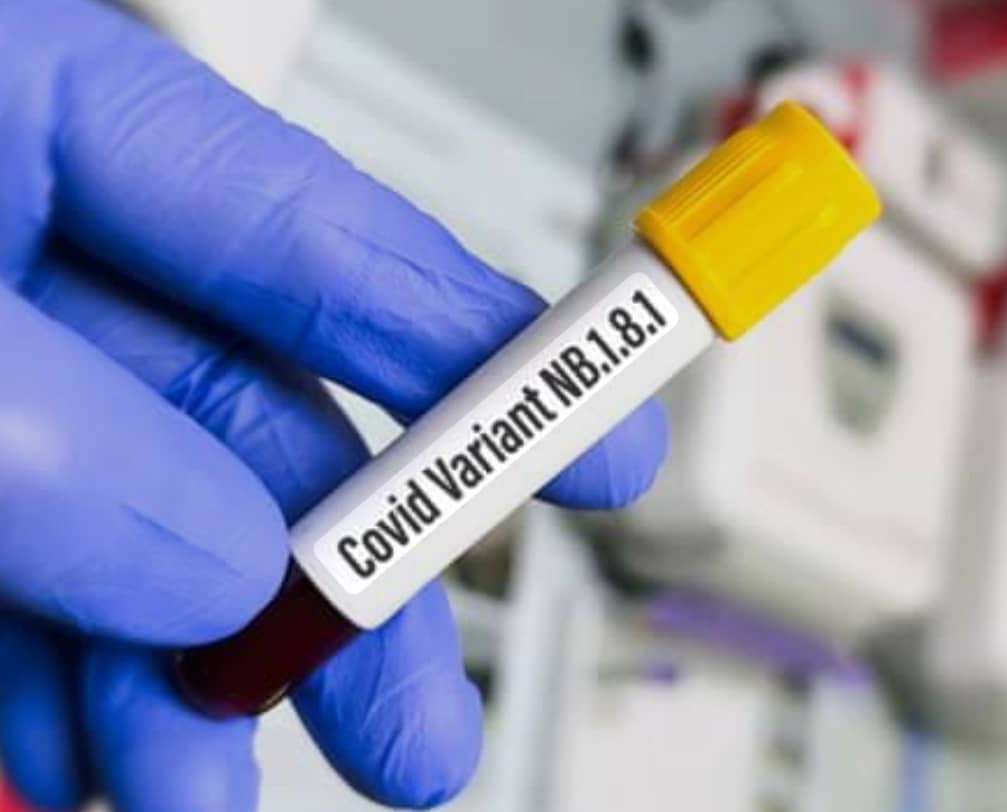
A highly transmissible new COVID-19 variant, NB.1.8.1, is raising alarms among global health experts as it spreads beyond China, with cases now detected in multiple U.S. states.
The variant, a descendant of Omicron, has fueled surges in Asia and is expected to contribute to a potential summer wave in the U.S., according to infectious disease specialists.
Variant Under Monitoring
The World Health Organization (WHO) has classified NB.1.8.1 as a “variant under monitoring” due to its rapid spread and mutations that may enhance transmissibility. While current vaccines still offer protection, experts warn that declining immunity and low booster uptake could leave many vulnerable.
“Over the last several years, we’ve seen COVID trends resembling a two-humped camel—peaking in winter and late summer,” said Dr. William Schaffner, an infectious disease professor at Vanderbilt University Medical Center.
“This summer will likely be no exception.”
Early U.S. Cases Detected
As of June 3, fewer than 20 cases of NB.1.8.1 have been confirmed in the U.S., primarily identified through airport screenings in states like California, New York, and Hawaii, per CDC reports. Wastewater surveillance, a key tool as testing declines, shows low national viral activity—for now.
“We don’t see significant upward trends yet, but we’re watching closely,” said Dr. Marlene Wolfe of WastewaterSCAN.
“Summer travel and indoor gatherings could accelerate spread.”
Symptoms and Severity
NB.1.8.1 symptoms mirror earlier Omicron strains: sore throat, cough, fever, and fatigue. No evidence suggests increased severity, but experts caution that vulnerable groups—older adults, immunocompromised individuals, and infants—remain at risk.
“Each infection raises the risk of long COVID,” warned Dr. Michael Hoerger of Tulane University.
“We should be vigilant, even if cases seem mild.”
Vaccine Recommendations
With the 2024-2025 vaccines targeting JN.1 and KP.2 variants, health officials urge unvaccinated individuals—especially high-risk groups—to get boosted ahead of a potential surge. However, new FDA guidelines may limit access to updated shots this fall.
“Anyone overdue for vaccination should act now,” said Dr. Andy Pekosz of Johns Hopkins.
“Immunity wanes over time, and summer waves thrive on susceptibility.”
Preparing for the Surge
Experts advise resuming precautions like masking in crowded spaces, improving ventilation, and testing after exposures.
“COVID isn’t seasonal yet, but predictability doesn’t mean complacency,” said Schaffner.
As global surveillance gaps persist, the WHO emphasizes the need for real-time data to track emerging variants.
For now, NB.1.8.1 serves as a reminder: the pandemic may be over, but the virus isn’t done evolving.
Zim GBC News©2025