

Agricultural Reporter
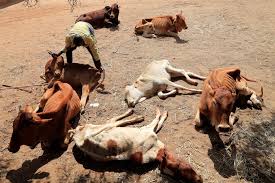
The devastating effects of El Niño have left farmers in Zimbabwe reeling, with many forced to destock their livestock due to severe drought conditions.
Kitumetsi Ncube, a farmer from Gwanda, lamented,
“The grass, which had flourished like a vibrant carpet, is now reduced to brittle, brown stubs… My cattle, once plump and lively, wander listlessly among the remnants of their former grazing grounds.”
Livestock expert Mhlupheki Dube warned,
“The department of veterinary services is recording an increasing number of livestock deaths in Matabeleland North and South due to the El Nino drought… These will get worse in October up to November.”
Sithokozile Sibanda, director of the Livestock Production Department, explained,
“Farmers are disposing of old or unproductive animals and using the proceeds to buy supplementary feeds and veterinary drugs to save the breeding stock… The drought has really pushed prices of feed and feeding resources upwards.”
Rachel Kuzanga, a Hwedza farmer, shared her heartbreaking experience,
“I have sold most of my animals to feed my family, and it’s heartbreaking, but I have no choice.”
Government Intervention
To mitigate the effects of the drought, the government has:
- Provided emergency relief feeding
- Regulated cattle sales by strengthening the policy framework for regulated cattle marketing and auction
- Promoted resuscitation of water bodies such as dams and weights
- Supported irrigation development for establishment of pasture greenbelts
- Drilled boreholes and constructed feeding and water troughs.
Initiatives
The government has also launched initiatives to:
- Preserve locally adaptable breeds through the National Artificial Insemination programme
- Promote research and development through Innovation Platforms.
As farmers struggle to cope with the devastating effects of El Niño, resilience and adaptability remain their only options.
Zim GBC News©2024