

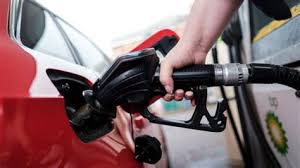
HARARE – The ripple effects of the ongoing conflict in the Middle East have landed squarely on the shoulders of Zimbabwean commuters, with fuel prices surging to new highs and transport operators being forced to hike fares.
The Zimbabwe Energy Regulatory Authority (ZERA) announced a significant price adjustment on Wednesday, citing turmoil in global energy markets. Diesel has skyrocketed to US$1.77 per liter, up from US$1.52, while blended petrol now retails at US$1.71, a sharp increase from the previous US$1.56.
At Copacabana, one of Harare’s busiest commuter ranks, the mood was somber on Thursday as residents grappled with the reality of the global shockwave.
“We never thought that the conflict in the Middle East would also affect us here; it is something that we just saw on television and in the papers,” said Munyaradzi Gamba, a staff member at the rank.
“But the impact is being felt closer to home, and commuters are suffering the heat.”
The price hikes have already forced some public transport operators to increase fares during peak hours, adding pressure to household budgets already stretched thin.
Tafadzwa Goliati, National Coordinator for the Passengers Association of Zimbabwe, acknowledged that both commuters and transporters are left with little choice but to adapt.
“There is nothing we can do as passengers but to adjust to the situation that is prevailing in the transport sector,” Goliati said.
“Here in Zimbabwe, we do not manufacture fuel; we import it. We have to adjust to this price. However, we are calling on the transport sector not to put a big margin on profits.”
While long-distance bus operators have largely held their prices steady for now, intra-city transport is where the pinch is being felt most acutely. Lloyd Kosi, a public transport driver, explained the difficult balancing act faced by operators.
“It is difficult to operate, to remain profitable, so we end up adding 50 cents (to) a dollar during peak hours to cushion ourselves from increased fuel costs,” Kosi told Zim GBC News.
With a transport sector dominated by informal operators and pirate taxis, fare regulation remains a challenge. For many commuters, the increased costs mean longer walks or a significant portion of their daily income going toward transport.
The impact extends beyond passenger transport. Edgar Chikoore, a transporter who runs a truck-hiring business in Harare, says the cost of doing business has become unsustainable.
“Due to the increased operating costs, some transporters have adjusted their fares from US$1.50 per kilometer to US$1.75 to reflect the increased costs,” Chikoore said.
While the government has assured the public that fuel stocks remain available, the economic anxiety is palpable. Chikoore, like many Zimbabweans, is looking beyond economics for a solution.
“We hope that diplomacy will prevail so that the battling sides stop fighting. They should find a diplomatic solution rather than fighting, as it also affects us economically here.”
Stay updated with Zim GBC News as we monitor the impact of global events on local communities.
- X (Twitter): @ZimGbc
- Instagram: @ZimGBCNews
- TikTok: @ZimGBCNews_01
- Facebook: Zim GBC News
- YouTube: Zim GBC News
Get real-time alerts on WhatsApp:
+263 773 820 323
For in-depth coverage, visit our website:
www.zimgbcnews.co.zw
Zim GBC News | Global News From An African Perspective©2026