

Zim GBC News | Harare Correspondent
MBARE – Scenes of anguish, desperation, and fragile hope unfolded at Stodart Hall in Mbare yesterday as the Angel of Hope Drug Rehabilitation Centre admitted its sixth intake of patients, with families from across the country bringing loved ones ravaged by drug and substance abuse.
Dubbed the “University of Restoration” by those who have witnessed its transformative power, the centre once again found itself oversubscribed, reflecting both the deepening drug crisis and growing public confidence in the rehabilitation model championed by First Lady Dr Auxillia Mnangagwa.
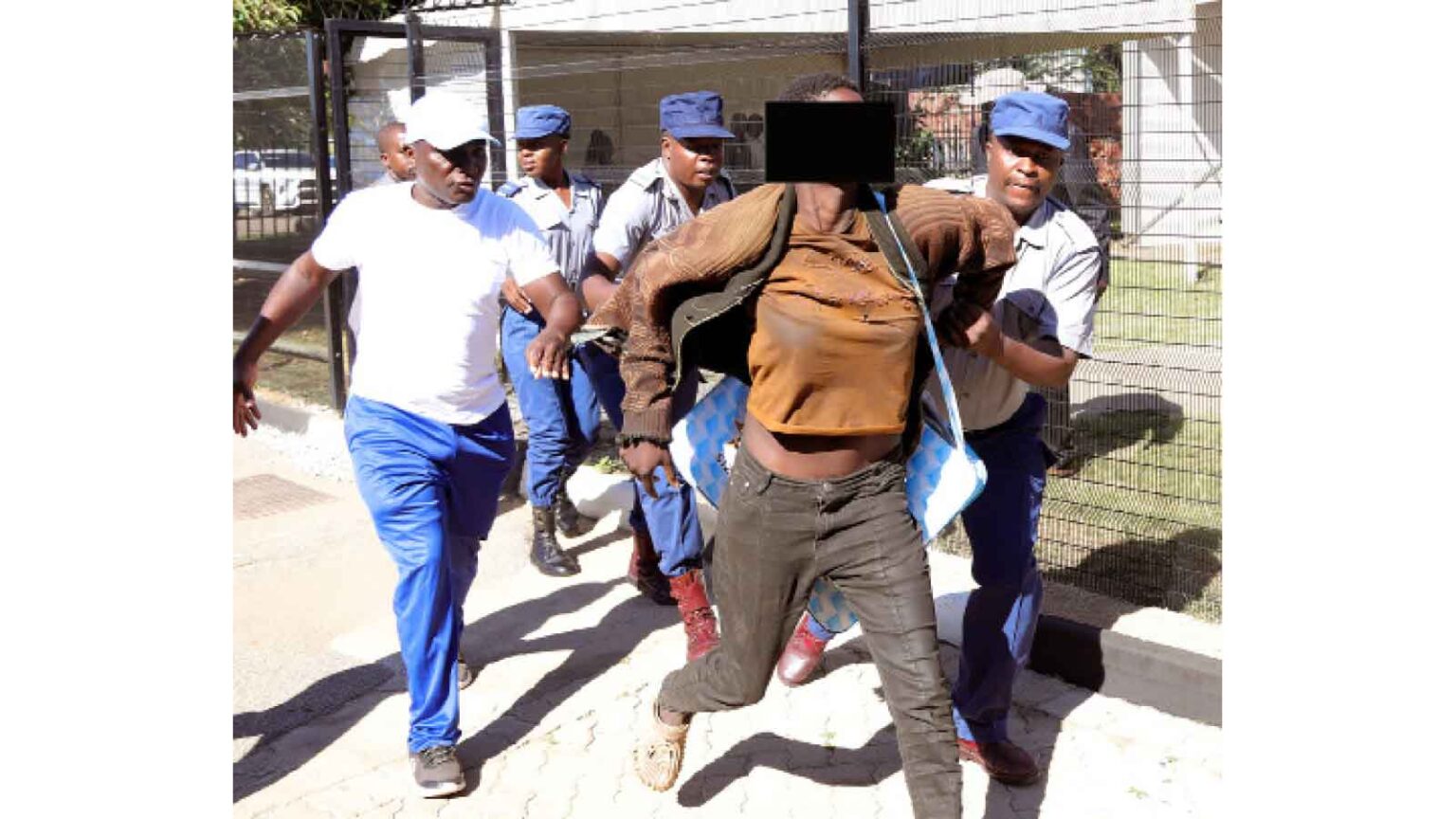
The admission day was marked by harrowing sights.
Some arrived in chains, restrained to prevent harm to themselves or others. Others appeared visibly unkempt, with soiled clothes, frail bodies and matted hair—clear signs of prolonged neglect.
A few uttered incoherent statements, lost in mental distress, while others stared blankly, disconnected from their surroundings.
One of the most striking cases involved a man whose fingernails had grown to an unnatural length of about 5cm, twisting in a menacing manner. Nearby, others in chains waited to be processed, while one visibly intoxicated individual muttered, “ndangotorwa ndichinzi ndirikuenda ku interview” (I’ve been picked up and told I’m going for an interview).
Security personnel had to intervene in some instances as patients resisted admission. A number arrived in handcuffs after violent episodes at home. Others attempted to smuggle in drugs, including crystal meth, marijuana and tumbwa, but alert officials confiscated the substances upon entry.
Despite the distressing scenes, a powerful sense of optimism emerged after the intake was completed. Former inmates, now disciplined and sober after completing skills training at a local vocational centre, arrived to meet their families—standing as living proof that recovery is possible. Some past graduates have even gone on to pursue further studies in Algeria.
Veteran broadcaster and substance abuse survivor Oscar Pambuka shared an emotional testimony, describing the centre as a “University of Restoration.”
“You are a selected few, chosen ones, and you should take advantage of this opportunity to reclaim your lives. Imagine if everyone were drunk, like zombies, unable to build our country,” Pambuka told the new intake.
He recounted how addiction nearly destroyed his career and sense of identity.
“After years in broadcasting, I lost my way. I was jailed, but I managed to reclaim my life. Here, your mind will be aligned, and your skills imparted. Stigma can trigger relapse. What is needed is support, discipline, and a change in mindset.”
Addressing families, the First Lady, Dr Mnangagwa, urged parents and guardians to work closely with the rehabilitation team throughout the programme, emphasising the importance of cooperation and ongoing consultation during the recovery journey.
She explained that upon completing the rehabilitation process, beneficiaries would proceed to vocational training institutions where they would acquire practical skills to help them reintegrate into society and rebuild their lives. Dr Mnangagwa also expressed gratitude to local and international partners whose continued support sustains the mission.
Parents and guardians shared heartbreaking testimonies of life before reaching this point.
A grandmother wept as she recounted how her own son had threatened to kill her.
“He grabbed a kitchen knife and threatened to kill me at night, shouting, ‘I want to kill you!’ I had seen it all; he cursed me in ways I can’t even repeat publicly. Thanks to this rehabilitation centre for restoring hope among our children.”
An elderly man praised the First Lady’s compassion.
“I had lost all hope. I wandered the streets in shame, helpless, as my own child stole maize from people’s fields and tore apart asbestos sheets just to survive. This rehab has finally given me a sense of relief and hope,” he said, his voice trembling.
Another mother shared how her child had turned their home into a base for drug users.
“My child was on drugs, and I only realised the full extent later. People were gathering in my house, using and selling drugs. When I tried to chase them away, they simply set up another base where he would go with his friends, even sleeping there for four months without coming home. I felt powerless and heartbroken.”
A man who arrived with his brother in chains described how crystal meth had transformed him into a violent threat.
“Drugs had completely ravaged him. I had to beat him with a stick and chain him just to bring him here after multiple attempts to resist.”
Another mother, visibly exhausted, described years of turmoil.
“My son stopped bathing and caring for himself. He would disappear for days. We lived in fear because he became violent. Even seeing him restrained today gives me relief, because I know he is finally in a safe place.”
As the sixth intake begins its rehabilitation journey, families leave with guarded hope that beyond the chains, confusion and despair, restoration and dignity can still be reclaimed.
FOLLOW US FOR REAL-TIME UPDATES:
- X (Twitter): @ZimGbc
- Instagram: @ZimGBCNews
- TikTok: @ZimGBCNews_01
- Facebook: Zim GBC News
- YouTube: Zim GBC News
Get real-time alerts on WhatsApp:
+263 773 820 323
For in-depth coverage, visit our website: www.zimgbcnews.co.zw
Zim GBC News | Global News From An African Perspective©2026