
Zim GBC News | Business Correspondent
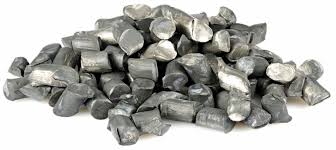
HARARE – Global lithium prices and shares of producers have surged after Zimbabwe, one of the world’s top producers of the battery mineral, suspended exports of lithium concentrate, sparking fears of a tightening in global supply chains.
Lithium carbonate on the Guangzhou Futures Exchange rallied 5.4 percent to 177,000 yuan (US$25,856) per ton following the announcement. Shares of lithium producers from China to Australia and the Americas also jumped on the news.
Zimbabwe halted exports of lithium concentrate with immediate effect on Wednesday, in a move designed to promote domestic processing and curtail illegal shipments. Mines Minister Polite Kambamura confirmed the ban remains in effect until further notice.
“Export authorizations will only be forthcoming to companies holding valid mining licenses and approved processing capacity,” Minister Kambamura said in a statement.
The African nation accounted for approximately 10 percent of the world’s mined lithium last year, according to the US Geological Survey. The decision places Zimbabwe alongside other resource-rich nations seeking to capture more value from their natural endowments.
Cameron Hughes, an analyst at consultancy CRU Group, drew parallels with similar interventions on the continent.
“The higher lithium price and continuous illegal shipments are likely driving factors for why the overhaul is happening now,” Hughes said, likening the move to a similar ban by the Democratic Republic of Congo on cobalt exports last year.
Importantly, exports of lithium sulphate, an intermediate product, will not be affected by the new policy, Citic Securities Co. noted in a briefing to clients.
The market response has been dramatic. Jefferies Financial Group Inc. said the market should tighten temporarily following the Zimbabwean order.
“While there were indications that Zimbabwe demands strengthened mining regulation and establishment of local supply chain and processing capacities, the step-up of concentrate export control is not entirely expected,” the bank said in a note.
In Hong Kong trading, shares of China’s Tianqi Lithium Corp. climbed as much as 7.3 percent, while Ganfeng Lithium Group Co. advanced 5.6 percent.
Australian producers also saw gains, with PLS Group Ltd. rising as much as 7.6 percent and Mineral Resources Ltd. up 6 percent. In the United States, Sigma Lithium Corp. closed 30 percent higher while Albemarle Corp. added 10 percent.
Zimbabwe has committed to cracking down on illicit commodities trading and introduced measures to encourage downstream processing. Major Chinese firms, including Zhejiang Huayou Cobalt Co. and Sinomine Resource Group Co., are already developing projects in the country with processing capabilities.
Lithium prices have nearly doubled since November as demand for the mineral booms from growth in energy storage. The rally has been exacerbated by uncertainty over supply in key production hubs, returning prices to levels last seen in 2023.
Some 19 percent of China’s imported lithium concentrate came from Zimbabwe last year, Citic Securities said, underscoring the southern African nation’s strategic importance in the global battery supply chain.
The ban mirrors a growing global trend of resource nationalism, following Congo’s surprise cobalt ban which lasted for months before being replaced with a quota system, and Indonesia’s controls on nickel and coal supplies aimed at raising prices and encouraging domestic processing.
FOLLOW US FOR REAL-TIME UPDATES:
· X (Twitter): @ZimGbc
· Instagram: @ZimGBCNews
· TikTok: @ZimGBCNews_01
· Facebook: Zim GBC News
· YouTube: Zim GBC News
Get real-time alerts on WhatsApp:
+263 773 820 323
For in-depth coverage, visit our website:
www.zimgbcnews.co.zw
Zim GBC News | Global News From An African Perspective©2026