
Zim GBC News | Harare Correspondent
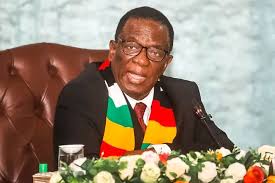
HARARE – In a significant exercise of executive clemency, President Emmerson Mnangagwa has approved a wide-ranging General Amnesty for prisoners across Zimbabwe, a move set to decongest the nation’s correctional facilities and grant freedom to thousands of inmates.
Government Spokesperson, Mr. Nick Mangwana, officially announced the 2026 Clemency Order in a statement released on Tuesday.
“The President has, in terms of the prerogative of mercy vested in him by the Constitution of Zimbabwe, approved a General Amnesty for various categories of prisoners,” Mangwana confirmed.
“This humanitarian gesture is part of ongoing efforts to restore offenders to society while addressing challenges within the prison system.”
Who Qualifies for Immediate Release?
The amnesty outlines specific categories of inmates eligible for immediate and unconditional release. These include:
· All convicted female prisoners.
· All juvenile offenders.
· Prisoners serving effective sentences of 48 months and below.
· Inmates officially certified by a Government Medical Officer as terminally ill.
· All prisoners currently held at Open Prisons.
· All inmates aged 60 years and above.
· Prisoners with disabilities.
· Prisoners serving life sentences who have served at least 20 years.
Sentence Remissions for Others
For prisoners serving sentences longer than 48 months who do not fall into the above categories, the amnesty grants a remission of one-quarter of their effective remaining sentence. This means a significant reduction in time served for a broader section of the prison population.
How an Amnesty is Declared
In Zimbabwe, a general amnesty is declared solely by the President, acting on the authority of the Clemency Order power (the prerogative of mercy) as outlined in the Constitution. This executive power allows the Head of State to pardon convicts or commute sentences. Such amnesties are typically granted on humanitarian grounds, to mark national events, or to alleviate severe prison overcrowding.
Historically, beneficiaries tend to be non-violent offenders, those convicted of minor crimes, and vulnerable groups within the prison system—such as the elderly, the infirm, and women—as seen in the current order. Violent criminals, those convicted of serious offences like armed robbery, rape, murder, or subversion against the state, are usually excluded from such broad amnesties.
While the government has hailed the move as compassionate, some civic groups urge for a robust post-release support system to facilitate reintegration and reduce recidivism.
The Zimbabwe Prisons and Correctional Service (ZPCS) is now tasked with implementing the order and processing the releases in accordance with the approved criteria.
FOLLOW US FOR REAL-TIME UPDATES:
· X (Twitter): @ZimGbc
· Instagram: @ZimGBCNews
· TikTok: @ZimGBCNews_01
· Facebook: Zim GBC News
· YouTube: Zim GBC News
Get real-time alerts on WhatsApp:
+263 773 820 323
For in-depth coverage, visit our website: www.zimgbcnews.co.zw
Zim GBC News | Global News From An African Perspective©️2026