

Innocent Sibonginkosi Ncube | Zim GBC News
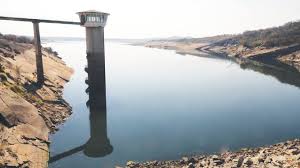
Bulawayo – Despite persistent heavy rains across much of Zimbabwe, the City of Bulawayo remains gripped by a severe water crisis, with all its supply dams still below 50% capacity, forcing the continuation of stringent water rationing in all suburbs.
Recent statistics from the Zimbabwe National Water Authority (ZINWA) reveal a stark contrast: while the national average dam level stands at a healthy 85.6%, Bulawayo’s key reservoirs are languishing. As of 14 January, not a single dam supplying the city had reached even half of its storage potential.
“The situation remains precarious,” a senior council official told Zim GBC News on condition of anonymity.
“The rains have not translated into meaningful inflows for our catchment areas. Consequently, the tight water-shedding regime across all suburbs must continue to stretch the available resources.”
The latest dam levels paint a concerning picture:
· Insiza Dam: 45.9% (Best performer)
· Upper Ncema Dam: 35.2%
· Lower Ncema Dam: 31.9%
· Umzingwane Dam: 28.8%
· Inyankuni Dam: A critically low 10.6%
“Inyankuni’s level means its contribution is now minimal,” explained City Council official.
“The pressure on the other dams is immense, and with the city’s growth and aging infrastructure, rationing is not a choice but a necessity for the foreseeable future.”
The crisis is exacerbated by illegal gold panning activities in the catchment areas of Upper Ncema, Inyankuni, and Umzingwane dams. These activities destroy riverbeds, reducing water flow into the reservoirs.
A recent Bulawayo City Council (BCC) report highlighted ongoing joint patrols with the police, noting that “eight illegal gold panners were arrested and eighty-six tools, including four detector machines, were confiscated.”
The council believes these activities significantly undermine rainfall capture.
Authorities point to three short-to-medium-term solutions needing urgent funding: constructing the Glass Block Dam in Insiza, repairing the Ncema water treatment plant, and rehabilitating 22 boreholes at the Nyamandlovu Aquifer.
“The feasibility studies for Glass Block Dam were done in 1988,” lamented a council engineer.
“What we lack is the capital. A declaration of the city as a water crisis area could unlock the necessary funding avenues.”
The City’s’s plight is part of a longer-term decline. Data shows dam levels at the end of each rainy season have been on a general downward trend since 2015, with the lowest recent point being 35.27% in 2020.
With the current rationing schedule expected to remain in force, residents and industries are urged to intensify water conservation efforts.
FOLLOW US FOR REAL-TIME UPDATES:
· X (Twitter): @ZimGbc
· Instagram: @ZimGBCNews
· TikTok: @ZimGBCNews_01
· Facebook: Zim GBC News
· YouTube: Zim GBC News
Get real-time alerts on WhatsApp:
+263 773 820 323
For in-depth coverage, visit our website: www.zimgbcnews.co.zw
Zim GBC News | Global News From An African Perspective©2026