

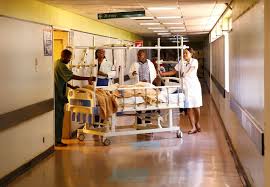
Parirenyatwa Oncology Department Struggles Under Immense Patient Load as Experts Call for Urgent Funding
Zim GBC News | Harare Correspondent
HARARE – The Oncology and Radiotherapy Department at Parirenyatwa Group of Hospitals, Zimbabwe’s foremost referral centre, is operating under severe strain, with a dire shortage of resources threatening cancer care for hundreds of patients monthly.
The department registers approximately 140 new cancer cases each month but is hamstrung by a critical lack of beds, specialized staff, and consistent drug supplies, coupled with the exorbitant cost of maintaining essential equipment.
In an exclusive interview Dr. Nothando Christagirl Mutizira, Head of the Oncology Radiotherapy Department, outlined the scale of the crisis.
“We are facing a perfect storm of challenges,” Dr. Mutizira stated.
“Our patient numbers are overwhelming, but we have limited beds and a severe shortage of specialized staff. The financial burden on patients is immense, and the emotional toll on families is devastating.”
She highlighted that the cost of treatment remains a primary barrier, as many diagnostic tests, drugs, and therapy sessions are not fully covered by medical aid societies, forcing patients to pay out-of-pocket.
The department’s pharmacy also battles persistent supply chain issues.
“We strive to keep essential medicines available, but foreign currency shortages and cost fluctuations regularly disrupt our supply, leading to stockouts of critical second-line drugs,” Dr. Mutizira explained.
Currently, the vast oncology service is managed by just eight clinical oncologists, three paediatric oncologists, and a small, dedicated support team. While key equipment like linear accelerators for radiotherapy is operational, maintaining this technology is a constant struggle.
“This equipment is astronomically expensive to procure and maintain, often requiring foreign currency and highly specialized technicians,” Dr. Mutizira said.
“Affordability for the institution is a major hurdle that directly impacts service sustainability.”
The effectiveness of treatment, she stressed, hinges entirely on early detection. For early-stage cancers, outcomes can be positive, but late presentations—often due to awareness, cost, and distance barriers—result in predominantly palliative care.
“When patients present with advanced-stage disease, which is increasingly common, our focus shifts to managing symptoms and improving quality of life, as a cure becomes less likely,” Dr. Mutizira noted.
Looking forward, she called for systemic intervention:
“We need increased government funding, decentralization of cancer services to provinces, a stronger drug supply chain, and investment in training and retaining specialists. Expanding national health insurance to cover comprehensive cancer treatment is non-negotiable.”
Despite the constraints, the department continues to provide chemotherapy, radiotherapy, and surgery, holding onto the message that cancer is not an automatic death sentence, especially when detected early.
Follow Zim GBC News for the latest updates:
· X (Twitter): @ZimGbc
·Instagram: @ZimGBCNews
·TikTok: @ZimGBCNews_01
·Facebook: Zim GBC News
·YouTube: Zim GBC News
Get real-time alerts on WhatsApp:
+263 773 820 323
For in-depth coverage, visit our website: www.zimgbcnews.co.zw
Zim GBC News | Global News From An African Perspective©2025