

By Dennis Lobuntu Ndlovu |Zim GBC News
Amid intensifying climate shocks and food insecurity, a new FAO analysis has highlighted agroecological farming and urban agriculture as crucial strategies to build resilience in food systems especially in vulnerable developing regions.
A systematic review by FAO found that agroecological practices had positive impacts on food security and nutrition in 78 percent of studies, with more complex agroecological systems more likely to have positive outcomes. The review covered studies across Africa, Asia, and the Americas, revealing that agroecological practices improved agroecosystem resilience to climate events, while positively affecting other SDGs in 79 percent of studies.
According to the report, such practices which integrate biodiversity, soil regeneration, and farmer-led innovation can significantly support yield stability, reduce risk of food loss and overall food security.
FAO emphasized the value of multisectoral approaches that integrate health, social protection, and environmental management.
“The complex and intertwined nature of threats to food security and nutrition requires a multisectoral approach across health, food and information systems,” the report said.
These include school feeding programmes for low-income households that source diverse foods from local farmers using climate-resilient production methods, and “adaptive social protection programmes combined with disaster risk reduction to implement preventative and adaptive measures such as supporting water catchment or soil moisture conservation in the face of drought.
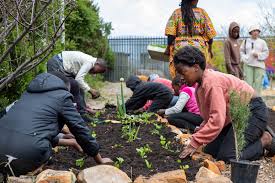
The FAO also urged policymakers to recognize the growing role of urban and peri-urban agriculture. With the majority of the world’s population now living in cities,
“There is a greater need to consider urban and peri-urban food systems in adaptation strategies.” the report noted, offering multiple co-benefits, such as improving access to diverse foods, supporting mental health, community building, livelihoods and reducing urban heat islands.”
These nature-based and community-led approaches could redefine global food security efforts.
“Ecosystem-based adaptation approaches that harness and bolster biodiversity have been shown to have multiple co-benefits within food systems,” FAO lamented.
“They support food security, nutrition, livelihoods and mitigation.”
However, FAO cautioned that inclusive governance is key.
“Given the heightened vulnerability of particular social groups to climate risks in food systems, an important overall strategy for adaptation is inclusive approaches that explicitly address gender, racial, income and other social inequities in governance, access and control over resources.”
As the world faces mounting climate pressures, these localized and inclusive models of farming and food distribution may prove essential to ensuring both sustainability and survival.
Stay informed with Zim GBC News:
· X (Twitter): @ZimGbc
·Instagram: @ZimGBCNews
·TikTok: @ZimGBCNews_01
·Facebook: Zim GBC News
·YouTube: Zim GBC News
Get real-time alerts on WhatsApp:
+263 773 820 323
For in-depth coverage, visit our website: www.zimgbcnews.co.zw
Zim GBC News | Global News From An African Perspective©2025