
SADC Condemns Tanzanian Elections as a “Sham”: Echoes of Zimbabwe’s Turmoil
OPINION PIECE
Beatrice Kumbana
Political Reporter
www.zimgbcnews.co.zw
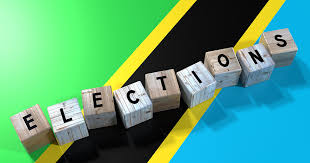
BULAWAYO —The Southern African Development Community (SADC) has delivered a damning assessment of Tanzania’s recent elections, labeling them a “sham” characterized by violence and intimidation.
This preliminary report from the SADC’s Electoral Observation Mission (SEOM) highlights alarming issues that bear a striking resemblance to the community’s previous reactions to electoral malpractice in Zimbabwe.
Key Findings from the SADC Report:
The SEOM’s preliminary statement on the 2025 Tanzanian General Election outlines several critical concerns:
- Intimidation and Uneven Political Environment: Reports emerged of abductions and arrests of opposition figures, including prominent leaders like Tundu Lissu from CHADEMA.
Stakeholders reported that the seemingly “calm” environment was a facade cloaked in fear and covert intimidation.
- Restrictions on Electoral Justice:
Constitutional provisions that bar judicial review of presidential election results severely undermine transparency and accountability, contradicting SADC’s democratic principles. - Compromised Independence of the Electoral Commission:
The appointment of election commissioners by the President, who is also the ruling party’s chairperson, raises serious concerns about the impartiality of the electoral process.
- Internet Shutdown and Information Blackout:
An internet blackout on election day crippled communication, making it impossible for observers to relay vital data regarding the electoral process.
- Harassment of Observers:
SEOM observers faced intimidation from security forces, including interrogations and the seizure of passports, echoing tactics used against independent observers in Zimbabwe. - Media Censorship: State-controlled media heavily favored the ruling party, while private outlets practiced self-censorship, reminiscent of the media landscape during Zimbabwe’s contested elections.
- Low Voter Turnout and Suspicious Practices:
The SEOM reported unusually low turnout and indications of ballot stuffing, further casting doubt on the election’s integrity.
- Marginalization of Women and Youth:
The underrepresentation of women and youth among candidates highlights systemic barriers to their participation in the political process.
- Exclusion of Civil Society:
NGOs focused on voter education were systematically denied accreditation, undermining civic engagement and education.
10.Constitutional Limitations on Independent Candidates: Laws restricting non-party affiliates from running for office further stifle political diversity.
- Absence of Domestic Observers:
Local election observers were largely absent, which is critical in assessing the electoral process. - Delayed Report Publication:
The SEOM’s inability to issue a statement promptly due to security and communication challenges underscored the repressive environment.
The reactions from Zimbabwean citizens regarding the SADC’s condemnation of Tanzania’s elections have been largely reflective of their own experiences.
Many expressed solidarity with Tanzanian voters and shared their frustrations over similar issues they faced during their elections.
Nompulelo Moyo, a Bulawayo resident, commented:
“We know what it feels like to have our voices silenced. It’s painful to see Tanzania going through what we experienced in Zimbabwe. We stood up once, but the intimidation was overwhelming.”
Kumbana observed that: “The internet blackout is a tactic we know all too well. It’s a way to control the narrative and prevent us from organizing. I hope Tanzanians can find their strength to fight for their rights.”
“SADC’s report brings back memories of the 2018 elections here. We were also told that everything was calm while we lived in fear. It’s crucial for international bodies to support democracy in our region,”
Lamented Kumbana.
Historical Context: Zimbabwe
These findings resonate with SADC’s previous condemnation of the electoral processes in Zimbabwe, particularly during the controversial 2018 elections.
Just as in Tanzania, Zimbabwe’s elections were marred by violence, intimidation, and allegations of fraud.
SADC’s observers reported similar trends of government suppression, media censorship, and harassment of opposition members, leading to widespread skepticism about the legitimacy of the electoral outcomes.
In both cases, SADC’s responses reflect a commitment to upholding democratic principles and human rights in the region.
The organization’s calls for transparency, fairness, and accountability are critical as it seeks to foster a democratic environment across Southern Africa.
The SADC’s assessment of Tanzania’s elections serves as a stark reminder of the ongoing challenges to democracy in the region.
As the situation unfolds, the international community will undoubtedly watch closely, drawing parallels with the past mistakes seen in Zimbabwe.
Stay Connected with Zim GBC News:
- X (Twitter): @ZimGbc
•Instagram: @ZimGBCNews
•TikTok: @ZimGBCNews_01
•Facebook: Zim GBC News
•YouTube: Zim GBC News
Get real-time alerts on WhatsApp:
+263 773 820 323
For in-depth coverage, visit our website: www.zimgbcnews.co.zw
Zim GBC News | Global News From An African Perspective©2025
All rights reserved.