

Zim GBC News | Political Correspondent
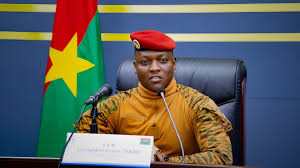
OUAGADOUGOU – While some African nations grapple with extended leadership tenures, Burkina Faso’s President Ibrahim Traoré is implementing a radical social and economic transformation that has captured regional attention with its focus on citizen welfare and equitable development.
In a stark contrast to political developments elsewhere on the continent, the Burkinabé leader has initiated seven major reforms within just six months that are directly impacting citizens’ lives.
“The reforms undertaken by President Traoré represent a significant shift in governance priorities, placing ordinary citizens at the center of development,” noted a West African political analyst who preferred anonymity.
The sweeping changes include reducing salaries for top-ranking government workers while simultaneously implementing social welfare programs that have drawn both praise and scrutiny from international observers.
Most notably, the government has granted free education for university students, placed them on monthly allowances, and declared free childbirth for all Burkinabé citizens – moves that have substantially reduced the financial burden on families.
In a bold economic intervention, market prices for all items have been reduced by 50%, while the government has provided over 5,000 modern agricultural equipment to boost the crucial agriculture sector.
“President Ibrahim Traoré continues to reiterate that Burkina Faso has enough resources to take good care of its people, and all Burkinabés can live an affordable life,” stated a government communiqué released this week.
The social protection net has been expanded to include monthly allowances for underprivileged citizens, representing one of the most comprehensive welfare systems in the region.
These developments occur against the backdrop of political continuity in neighboring states, where Cameroon’s 92-year-old Paul Biya recently secured another term and discussions about leadership extensions continue in Zimbabwe’s political circles.
The Traoré administration’s approach has sparked vigorous debate about development models across the continent, with some hailing it as a template for people-centered governance while others question its long-term sustainability.
Local residents in Ouagadougou expressed mixed but largely positive reactions to the reforms, particularly highlighting the impact on education and healthcare accessibility for ordinary families.
Stay connected with us:
·X (Twitter): @ZimGbc
·Instagram: @ZimGBCNews
·TikTok: @ZimGBCNews_01
·Facebook: Zim GBC News
·YouTube: Zim GBC News
Get real-time alerts on WhatsApp:
+263 773 820 323
For in-depth coverage, visit our website: www.zimgbcnews.co.zw
Zim GBC News | Global News From An African Perspective©2025