

Zim GBC News | Gender and Community
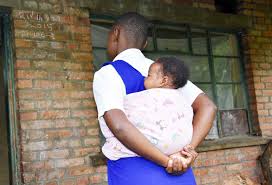
BULAWAYO – Zimbabwe is confronting a severe public health crisis as rising teenage pregnancies drive thousands of young girls toward life-threatening, unsafe abortions, experts and residents have warned.
The alarming trend was a central focus of the recent Youth Summit 2025 in Bulawayo, which convened under the theme “Youth-Driven Initiatives for Equitable Sexual and Reproductive Health and Rights (SRHR) Service Delivery.”
Disturbing Statistics Reveal Widespread Problem
Official data paints a grim picture. Between 2019 and 2022, Zimbabwe recorded approximately 350,000 teenage pregnancies, accounting for 21% of all antenatal care bookings in that period.
Further solidifying the concern, the 2023–2024 Zimbabwe Demographic and Health Survey shows that 23% of girls aged 15 to 19 have been pregnant at least once, with the rate doubling in rural areas (30%) compared to urban centres (15%).
Fear and Secrecy Lead to Deadly Risks
A Bulawayo resident, who spoke on condition of anonymity, highlighted the desperation driving young girls.
“These young girls do not understand how dangerous it is to have an unsafe abortion. Most of them are scared to talk to their parents, so they go to people who are not doctors for help.”
This fear of stigma and lack of access to sexual education and contraceptives are cited as key drivers. Experts estimate that between 60,000 and 70,000 illegal abortions have taken place in Zimbabwe in recent years.
“Ending a pregnancy the wrong way can cause bleeding, infections, or even death. People need to understand that it is better to seek help at a hospital,” another resident urged.
Calls for Collective Action and Open Dialogue
At the summit, Rumbidzai Mashawiro emphasised the urgency for community intervention.
“It is sad to see so many teenage pregnancies, and young people need to be educated on how to prevent them. As a community, we should take action… We need to protect our young girls and give them hope for a better future.”
Many participants agreed that a collaborative effort is essential.
“If we don’t guide them, they will learn the wrong things from friends or social media,” one resident noted.
Nkosilathi Mpofu, another resident, stressed the need for compassion over judgment.
“As a community, we need to educate them and give them support instead of judging them,” Mpofu said.
“Our young people need love, information, and guidance. If we do not talk to them openly, they will continue to suffer in silence and put their lives at risk.”
The Legal Landscape
Abortion in Zimbabwe remains highly restricted under the Termination of Pregnancy Act of 1977. The procedure is only permitted if the mother’s life is at risk, the fetus has severe abnormalities, or the pregnancy is a result of rape or incest, and requires authorization from two doctors in an approved hospital.
As the nation grapples with this crisis, the call for increased awareness, accessible reproductive health services, and open communication between parents, schools, and young people has never been more critical.
Follow us on social media for the latest updates:
· X (Twitter): @ZimGbc
·Instagram: @ZimGBCNews
·TikTok: @ZimGBCNews_01
·Facebook: Zim GBC News
·YouTube: Zim GBC News
Get real-time alerts on WhatsApp:
+263 773 820 323
For in-depth coverage, visit our website: www.zimgbcnews.co.zw
Zim GBC News | Global News From An African Perspective©2025