

Sithembinkosi L. Jiyane
Sports Reporter
The once vibrant Amazilo belief system, a cornerstone of Ndebele traditional culture in Zimbabwe, is slowly fading as modernization and global influences reshape community values and perceptions.
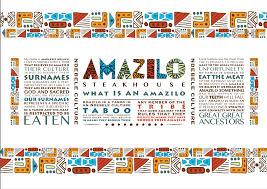
Derived from a Ndebele term meaning “taboos,” Amazilo refers to traditional beliefs, customs, and rituals that guided moral conduct and preserved both cultural and environmental harmony.
For generations, these taboos served as unwritten laws, discouraging practices such as cutting down sacred trees, polluting rivers, or engaging in disrespectful behavior within families and communities.
In the past, Amazilo provided moral and spiritual direction, influencing family relations, decision-making, and leadership structures.
The teachings were often passed down through folk tales, proverbs, and sayings that promoted unity, respect, and a deep connection to ancestral wisdom.
However, with the rise of urbanization, formal education, and digital lifestyles, the influence of Amazilo has waned, particularly among the younger generation. Today, only a few rural communities continue to observe the customs and rituals associated with the belief system.
“In the old days, Amazilo taught us discipline and respect. Now the youth no longer believe in such things, they say it’s just superstition, gogo Lilian Moyo said.
In urban areas, traditional beliefs have been increasingly replaced by contemporary religions and global cultural trends that often dismiss indigenous systems as outdated.
This erosion represents more than a loss of faith, it marks the gradual disappearance of cultural identity and ancestral knowledge that once defined Ndebele society.
Efforts are underway in some regions to revive Amazilo through cultural education programs, school projects, and community gatherings aimed at preserving traditional heritage.
These initiatives seek to ensure that the stories, values, and moral lessons embedded in Amazilo remain part of Zimbabwe’s national memory.
Yet, the generational gap remains visible. Young people often reinterpret traditional sayings in literal or humorous ways, reflecting a growing disconnect from their deeper meanings.
For instance, one proverb cautions, “Ungahambi nyovane unyoko uzawela eqhageni”, loosely translated, “Do not move carelessly with your mother or she may fall into the pot.” The saying was once a figurative warning about being cautious and respectful, but many youths now dismiss it, saying, “My mother can’t fall into a pot, she’s bigger than that.”
Such reinterpretations show how traditional wisdom is being lost in translation across generations.
As Zimbabwe continues to modernize, communities face the challenge of finding balance between embracing progress and safeguarding cultural values that once defined their moral and social fabric.
Stay Connected with Zim GBC News:
· X (Twitter): @ZimGbc
· Instagram: @ZimGBCNews
· TikTok: @ZimGBCNews_01
· Facebook: Zim GBC News
· YouTube: Zim GBC News
Get real-time alerts on WhatsApp:
+263 773 820 323
For in-depth coverage, visit our website: www.zimgbcnews.co.zw
Zim GBC News | Global News From An African Perspective©2025