
Zim GBC News | Health and Environment
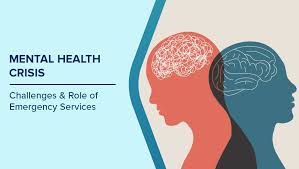
BULAWAYO – The city of Bulawayo is grappling with a visible and concerning increase in the number of individuals displaying signs of severe mental distress, with experts linking the trend to rampant substance abuse, fractured family structures, and deep-seated socio-economic challenges.
Residents report seeing more people on the streets and in neighbourhoods exhibiting disorganised thoughts, unpredictable behaviour, and visible anguish. While mental health issues are not new, the current surge has sparked urgent conversations about the underlying causes and the need for a collective response.
A significant driver identified is the misuse of drugs like crystal meth, marijuana, and alcohol.
For many youths and adults, these substances have become a coping mechanism for unemployment, poverty, and hopelessness. However, this escape often leads to a worsening of mental health, triggering paranoia, aggression, and long-term psychosis.
Compounding the issue are changing parenting styles, with many children growing up under neglectful or uninvolved caregivers. This lack of guidance and emotional support makes young people more vulnerable to substance experimentation and less resilient to life’s pressures.
The problem is further fueled by broader societal issues, including high unemployment and the erosion of traditional community support systems, which often leaves those struggling facing stigma instead of help.
In an interview with Zim GBC News, Director of Clinical Services at Ingutsheni Central Hospital, Dr. Wellington Ranga, offered a clinical perspective on the situation.
“I can’t confirm a rise in the number of mentally ill individuals in Bulawayo,” said Dr. Ranga.
“However, the community’s observation of more people displaying strange behaviour is irrefutable. It is difficult to pinpoint specific causes for these manifestations, but what we are witnessing are behaviours that, although not clinically considered mental illness, are clearly visible in our society.”
Dr. Ranga stressed the critical need for targeted interventions.
“There is a need to sit down with these individuals and offer them proper counselling. In some cases, rehabilitation is necessary to distance them from the influences that push them towards these behaviours, which often lead to them being wrongly labelled as mentally ill.”
The consensus among observers is that solutions must extend beyond the medical sphere.
There are growing calls for community-based youth programmes, public education on positive parenting and substance abuse, and more accessible rehabilitation services to address this multi-faceted crisis.
Stay Connected with Us:
·X (Twitter): @ZimGbc
·Instagram: @ZimGBCNews
·TikTok: @ZimGBCNews_01
·Facebook: Zim GBC News
·YouTube: Zim GBC News
Get real-time alerts on WhatsApp:
+263 773 820 323
Zim GBC News | Global News From An African Perspective©️2025