

By Dennis Ndlovu I Zim GBC News
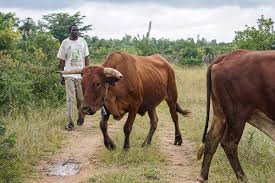
The 2025 report from the Zimbabwe Livelihoods Assessment Committee (ZimLAC) identifies a sign of escalating poverty and weakened resilience in the countryside as two-thirds of Zimbabwean households are without cattle.
The survey, which covered every province, confirmed alarmingly low levels of livestock possession.
“About 66% of the households did not own any cattle,” the report stated.
Ownership of substantial herds is even rarer, with a mere 12% of homes having more than five head of cattle. Compounding the problem, 11% of communities indicated their animals were in poor health, pointing to insufficient veterinary services and declining pastureland.
The condition of grazing areas is a major concern for sustaining existing herds. During the survey period, 39% of communities described pasture availability as fair, while 45% gave the same rating for pasture quality.
The survey also uncovered major differences in cattle ownership from one region to another. Mashonaland West was the most severely affected, with 73% of households having no cattle, closely followed by Manicaland and Mashonaland Central at 71% each. The figures for other provinces were Mashonaland East (70%), Matabeleland South (69%), Matabeleland North (60%), Midlands (59%), and Masvingo (57%). These regional disparities point to uneven access to livestock support and economic opportunities.
The value of livestock showed significant variation across districts, influenced by local market factors.
“The highest cattle prices were reported in Insiza (US$506) and the lowest were reported in Bulilima (US$191),” ZimLAC noted.
A comparable trend was seen with goats, which sold for as much as US$51 in Insiza and as little as US$20 in Mbire.
Beyond agriculture, the report gauged public health knowledge and access to2 essential services. While 72.6% of communities had learned about rabies, awareness of other illnesses was low; just 6.1% had received information on listeria, making it the most poorly recognized disease in the study.
A disconnect was found between receiving alerts and acting on them, as 52.2% of households got early warning information, but only 39.3% used it for planning. Nationally, 59.4% of homes were reached by health and nutrition outreach programs.
On a positive note, 58% of families reside within 5 kilometers of a health facility, meeting the recommended distance for basic care. Nonetheless, access remains a challenge for remote areas, with 9% of households facing a journey of over 10 kilometers to medical services.
Access to education was more robust, with 72% of households having a primary school within a 5km radius. In other findings, 47% of homes had access to information on support for victims of physical and sexual abuse. For 39% of households, police services were within an hour’s reach, and 46% said these services were victim-friendly.
The ZimLAC findings present a concerning overview of rural life in Zimbabwe, highlighting profound economic struggles alongside significant shortfalls in public services and information dissemination. The data signals a pressing requirement for focused action to support livestock farming, healthcare, and community education.
Follow Zim GBC News on Social Media:
· X (Twitter): @ZimGbc
·Instagram: @ZimGBCNews
·TikTok: @ZimGBCNews_01
·Facebook: Zim GBC News
·YouTube: Zim GBC News
Get real-time alerts on WhatsApp:
+263 773 820 323
ZIMGBC News | Global News From An African Perspective©2025