

Zim GBC News | Gender and Community
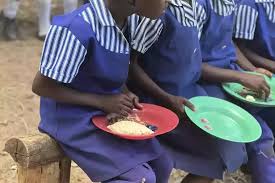
BULAWAYO – Matabeleland North Province has recorded the highest number of learners depending on government-provided hot meals in schools, according to the latest Zimbabwe Livelihoods Assessment Committee (ZimLAC) 2025 Rural Livelihoods Assessment report, highlighting the severe impact of hunger and poverty on education in the region.
The report revealed that 77.6% of children in Matabeleland North received hot meals at school during the first term of 2025 – a dramatic increase from 29.8% in 2024 and the highest proportion nationwide.
“The report noted that a healthy diet in sufficient quantity is essential for learning and development,” the ZimLAC assessment stated, underscoring the critical role of nutrition in education.
The findings show significant nationwide improvement in school feeding programmes, with the proportion of children receiving hot meals jumping from 7.5% in 2024 to 55.1% in 2025.
Following Matabeleland North, Matabeleland South recorded 64.9% of learners receiving meals (up from 10.3%), Mashonaland East 64.2% (from 8.5%), and Masvingo 62.5% (from 1.6%). Other provinces showed similar dramatic increases in school feeding programme coverage.
The report attributed the expanded support to the El Niño-induced drought that negatively impacted household food security in the previous season, creating “increased burden of responsibilities to government and its development partners.”
“Support increased from 48% in 2024 to 76% in 2025, a reflection of the government’s ability to coordinate national response in times of need,” the report noted, acknowledging government efforts in addressing the food crisis.
According to the assessment, the government remains the primary source of support at 65%, followed by rural relatives (23%), United Nations and non-governmental organizations (16%), and urban relatives (15%).
“The support received from relatives reflects a positive enabling economic environment and evidence of social capital,” the report added, while commending government provision of “crucial support towards building resilience and sustainable livelihoods.”
The Matabeleland region has historically faced severe food challenges due to recurrent droughts, making school feeding programmes essential for maintaining educational continuity amid growing hunger concerns.
Follow Zim GBC News on Social Media:
· X (Twitter): @ZimGbc
·Instagram: @ZimGBCNews
·TikTok: @ZimGBCNews_01
·Facebook: Zim GBC News
·YouTube: Zim GBC News
Get real-time alerts on WhatsApp:
+263 773 820 323
Zim GBC News | Global News From An African Perspective©2025