

Gender and Community
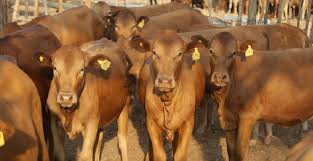
INSIZA – A mysterious and devastating cattle disease has wreaked havoc in Insiza South’s Gankabezi area, wiping out entire herds and pushing rural families to the brink of survival, exposing critical gaps in Zimbabwe’s veterinary support systems for livestock farmers.
Villagers report that the illness, which causes internal rotting and primarily attacks the lungs, has killed dozens of cattle in recent months. Traditional remedies have proven ineffective against the outbreak, with the lack of veterinary support and dipping facilities exacerbating the crisis.
For these communities, cattle represent far more than livestock.
“They are a store of wealth, a source of food, draught power, and income for school fees and building projects,” explained one affected farmer.
With herds decimated, households now face financial ruin.
Bekithemba Thebe, who lost 21 cattle, recounted his loss:
“We used to earn a living by selling cattle to take kids to school and even for building. I sold some to buy food.”
The emotional toll has been profound. Gift Ndlovu, who lost nearly his entire herd, described the trauma:
“I sometimes lose my mind when I think about the property that I lost.”
The scale of death overwhelmed communities. Roger Ncube, who lost 15 cattle, revealed the horrific reality:
“They were dying in numbers a day, we eventually had to leave some to rot because of the sheer rate of death.”
Village head Sydney Mthuthuki Mkhwananzi shared his family’s tragedy:
“I lost 19 cattle, and my father died from stress after losing five animals in just three days.”
Beyond the disease, villagers contend with multiple challenges including poor infrastructure, recurrent droughts, and vandalism of their only borehole by thieves. Zephaniah Nkomo, who lost 10 cattle, expressed frustration:
“Now we are being told that there is no vaccine, cows do not dip.”
Farmers’ organizations confirm the crisis extends beyond Gankabezi. Clarkson Matshaya from the Umzingwane District Farmers Association said cattle in other wards had also succumbed to January disease, hunger, and veld fires caused by artisanal miners, with livestock theft also on the rise.
Matshaya urged comprehensive solutions:
“Farmers must have access to water in Umzingwane and Ncema dams for fodder production. Rehabilitation and solarising dip tanks would also help.”
The villagers have appealed for urgent government and donor support, including veterinary services, vaccines, and restocking programmes to restore livelihoods and prevent further despair.
The Matabeleland South Veterinary Services Department had not responded to inquiries at the time of publication.
Follow Zim GBC News on Social Media:
·X (Twitter): @ZimGbc
·Instagram: @ZimGBCNews
·TikTok: @ZimGBCNews_01
·Facebook: Zim GBC News
·YouTube: Zim GBC News
Get real-time alerts on WhatsApp:
+263 773 820 323
Zim GBC News | Global News From An African Perspective©2025