
By Bongubukhosi Chantelle Ncube
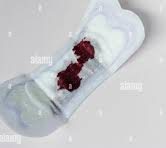
In 2021, Zimbabwe’s government pledged to provide free sanitary pads to schoolgirls, promising to end period poverty.
Three years later, not only has the pledge gone unfulfilled, but the cost of pads has skyrocketed, leaving thousands of girls still missing school every month.
“I remember I started my period around this time and my mom was so happy when we were told pads would be free. Today, a packet costs more than a loaf of bread,” says 15-year-old Tariro*, a Form 3 student in Gweru.
A Broken Promise
According to Parliamentary Hansard records from March 2021, then Minister of Primary and Secondary Education Cain Mathema announced that every rural school would receive free sanitary pads to keep girls in class. But budget allocations tell another story.
A 2023 report by the Zimbabwe Coalition on Period Poverty found that less than 30% of schools received any form of sanitary products from the government since the pledge.
Meanwhile, prices have surged: a standard pack of pads now costs between US$2 and US$3—unaffordable for many families surviving on less than US$1.90 per day (the World Bank poverty line).
The Human Cost
“When girls cannot afford pads, they stay home. Some resort to using rags, newspapers, or even leaves. It’s unsafe, undignified, and unacceptable,” says women’s rights activist Memory Zinhanga.
UNICEF estimates that 72% of rural girls in Zimbabwe miss up to five school days each month due to a lack of sanitary products. This contributes directly to lower academic performance and higher dropout rates among girls.
Civil Society Calls for Accountability
Organizations such as Girl Child Network and Pads for All Trust are now demanding answers.
“Government should publish a full account of what happened to the budgeted funds. The promise was made, and someone must be held responsible,” says Tafadzwa Chitiyo, a human rights lawyer.
What Next?
Experts say Zimbabwe needs a clear national menstrual health policy, transparent budgeting, and partnerships with local pad manufacturers to reduce costs.
Until then, civil society continues to fill the gap with donation drives, but these are unsustainable.
“Period poverty is not just about pads. It’s about dignity, education, and equality,” Zinhanga adds.
Names marked* with an asterisk have been changed to protect minors’ identities.
Do you remember the promise of free pads in 2021? Have you seen it happen in your community? Reply and tell us your story.
Zim GBC News | Global News From An African Perspective©️2025