

Zim GBC News Reporter
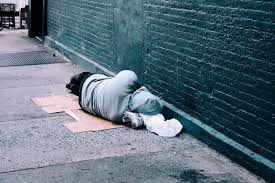
Harare — Zimbabwe faces a deepening humanitarian crisis as a staggering 1.5 million citizen grapple with homelessness, according to the Zimbabwe Human Rights Association (ZimRights). The alarming figure was revealed in ZimRights’ 2024 Annual Report, reigniting fierce condemnation of the colonial-era agrancy Act (Chapter 10:25), which criminalizes poverty and homelessness .
Key Findings and Condemnations
- Deadly Enforcement:
National Director Dzikamai Bere disclosed that at least nine homeless individuals died in police custody after being arrested under the Act. “Police can arrest and charge you simply for not having a place to stay,” Bere stated, emphasizing that the law targets society’s most vulnerable . - Colonial Legacy:
The Act—enacted in 1960—permits warrantless arrests of those “with no fixed abode” and criminalizes aiding homeless people. ZimRights Chairman Takesure Musiiwa lambasted it as “outdated policy imposed by previous [colonial] regimes to serve their own interests,” demanding its replacement with rights-based legislation . - Legal and Human Rights Violations:
The law contradicts Zimbabwe’s Constitution (Section 51: right to dignity; Section 56: equality) and the African Charter on Human and Peoples’ Rights. A 2020 African Court advisory opinion deemed vagrancy laws continent-wide incompatible with human rights standards .
ZimRights’ Advocacy Escalates
- A petition to repeal the Act was submitted to Parliament in 2024, backed by grassroots campaigns in Harare and Chitungwiza, where homeless populations face heightened police targeting .
- In November 2024, ZimRights presented evidence to the Parliamentary Portfolio Committee on Defence and Home Affairs, arguing the Act perpetuates “structural racism, poverty, and social exclusion” .
Broader Human Rights Crisis
The homelessness crisis coincides with a surge in rights violations documented by ZimRights, including 4,697 incidents linked to police abuses and systemic denial of social services .
Calls to Action
Bere urged lawmakers to prioritize repeal:
“We must remove this law and replace it with policies addressing root causes—like housing and economic inclusion” . Musiiwa added,
“Our liberation struggle fought to dismantle such unjust laws. Why do they persist?” .
Zim GBC News©2025