
Sithembinkosi L Jiyane
Business Reporter
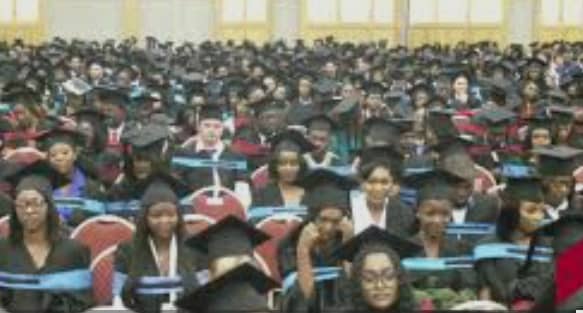
Bulawayo, Zimbabwe – In a remarkable achievement, Bulawayo women have emerged as the most educated females in Zimbabwe, according to the 2023/24 Demographic and Health Survey implemented by ZIMSTAT.
The survey states that 99% of Women in Bulawayo have attended Secondary School or Tertiary academia.
Conducted at the request of the Ministry of Health, lists Bulawayo women at the top of the most educated females in the country, with a staggering 99% having attended secondary school or higher.
The survey highlights a significant gap in educational access between urban and rural areas, with urban women being more likely to attend secondary school or higher. This divide underscores the need for targeted interventions to improve educational access in rural areas.
Bulawayo boasts the highest literacy rates in the country, with 99% of women and over 99% of men being literate. This is a testament to the city’s strong educational foundation.
The survey also reveals a strong link between education and economic status, with women from wealthier households being more likely to have higher levels of education. This highlights the need for policies that promote equal access to education, regardless of economic background.
Historically, education system has been plagued by gender disparities, with girls being denied access to education beyond primary school. However, in recent years, the country has made significant progress in promoting equal access to education for all.
In the past, traditional views that women’s primary role was in the home, coupled with the high costs of education, led many girls to be kept out of school. As a result, statistics from the early 2000s showed that a larger percentage of males completed secondary education and pursued tertiary education than females.
The Zimbabwe government has implemented policies to ensure equal access to education for all, including initiatives like the Growth with Equity Policy. These efforts have led to a significant increase in the number of girls and women enrolled in primary and secondary education, as well as in tertiary institutions.
Despite this progress, challenges remain. Poverty, early marriage, and cultural norms continue to hinder girls’ access to education. Furthermore, women remain underrepresented in leadership positions, even in higher education institutions.
As Zimbabwe continues to strive for gender equality in education, it is essential that the government, civil society, and the private sector work together to address the remaining challenges. By doing so, the country can ensure that all girls and women have equal access to education and the opportunities it provides.
The achievements of Bulawayo’s women serve as a shining example of what can be achieved with dedication and hard work. As Zimbabwe continues to strive for educational excellence, Bulawayo’s women are leading the way.
Zim GBC News© 2025