

Political Desk
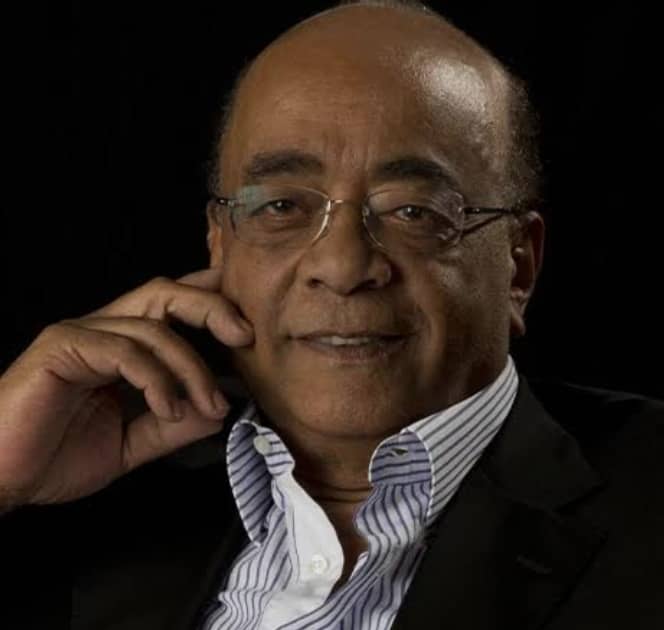
HARARE– Just days after a media exposé on corruption in the Trabablas Interchange project, Zimbabwe’s government faces fresh criticism—this time from British billionaire and governance advocate Mo Ibrahim, who has called on authorities to “get its act together” and uphold democratic principles.
Mo Ibrahim’s Stern Warning
The prominent philanthropist made the remarks while addressing Zimbabwe-UK relations, stressing the need to end harassment of the opposition and foster genuine democracy.
His comments have reignited debates over the state of governance in Zimbabwe.
“Address the clampdown on the opposition and the lack of democracy for which our nation has become renowned,” wrote former MP and constitutional lawyer Fadzai Mahere on X (formerly Twitter).
Her post drew sharp reactions, with user John Nkosinathi responding:
“True. Maintaining normal relations with an oppressor is like endorsing their abuses.”
Shrinking Democratic Space
The government has recently introduced controversial regulations, including the National Media Policy, which critics say stifles press freedom.
“Threats against journalists overshadow the positives in this policy,” said Loughty Dube, Executive Director of the Voluntary Media Council of Zimbabwe, in a report by Pindula.
Mlondolozi Ndlovu of the Media Institute of Southern Africa (MISA) warned that the policy risks “narrowing civic space through administrative coercion masquerading as reform.”
Heavy-Handed Laws and Public Backlash
Further fueling discontent is the mandatory ZBC radio licence fee for motorists, signed into law by President Mnangagwa. The amendment bars insurers from covering vehicles without a valid radio licence—a move seen as another revenue-grabbing scheme.
Civil society groups are also under siege following the Private Voluntary Organizations (PVO) Act, which imposes stricter registration rules, heightened government oversight, and harsh penalties for non-compliance.
“This law sabotages community organising,” said ZimRights, a leading human rights organization.
A Call for Change
With Zimbabwe’s democratic credentials under scrutiny, Mo Ibrahim’s remarks amplify growing frustration over shrinking freedoms and institutionalized repression.
“The government must promote a democratic environment, not suffocate it,” argued political analyst Tendai Dube.
“Without reform, Zimbabwe risks further isolation.”
As pressure mounts, the question remains:
Will the regime heed these calls, or will democracy remain an illusion?
Zim GBC News©2025