

Innocent Sibonginkosi Ncube
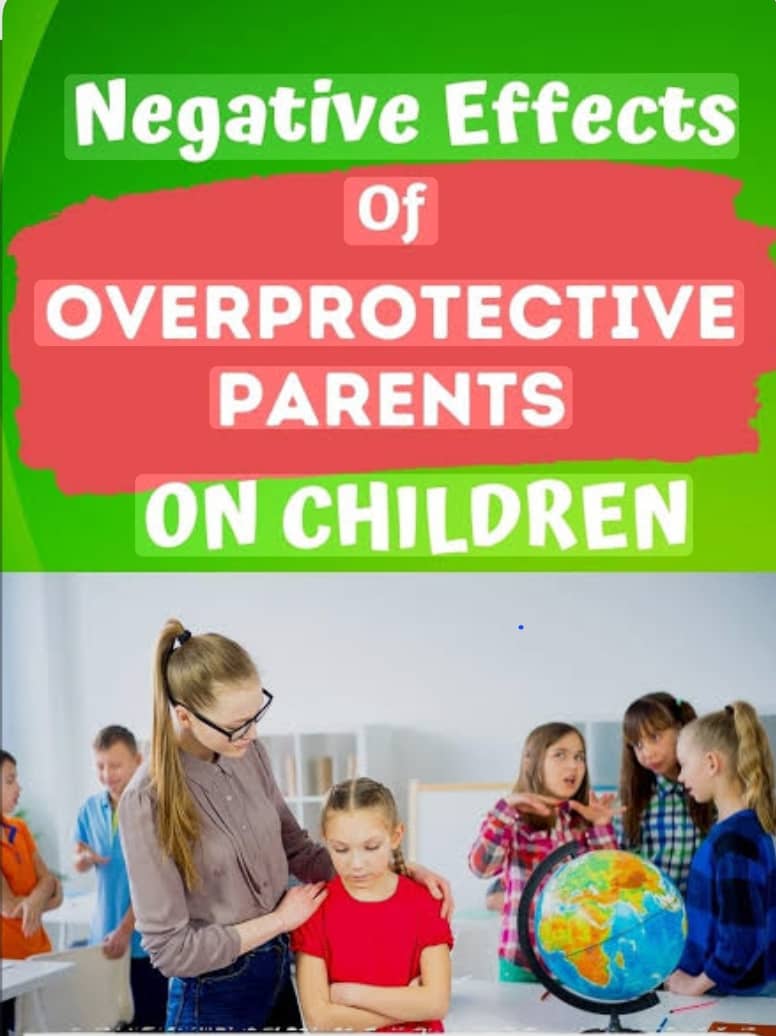
In an era where many parents pride themselves on shielding their children from struggle, a growing chorus of voices is warning that this approach may be doing more harm than good.
The well-intentioned mindset of “I don’t want my child to suffer like I did” is backfiring, experts say, producing a generation ill-equipped to handle life’s inevitable challenges.
The Danger of Overprotection
“Some parents think they’re showing love by refusing to correct their children, avoiding discipline, or never saying ‘No,’” says Dr. Evelyn Carter, a child psychologist.
“But what they’re really doing is setting their kids up for failure.”
This trend, often disguised as kindness, manifests in small but damaging ways—parents who don’t assign chores, who intervene at the first sign of discomfort, or who prevent their children from facing consequences.
“Let him rest, he’s just a child.”
“Let her enjoy life, she’s still young.”
Statements like these may sound nurturing, but they rob children of crucial life skills, argues parenting coach Marcus Reid.
“If a child can’t sweep a house today, how will they keep their own home clean tomorrow? If they can’t handle correction now, how will they handle criticism in a job or marriage later?”
The Real World Doesn’t Coddle
Life is full of hardships—rejection, failure, and moments when things don’t go as planned. Parents who never allow their children to experience these challenges risk raising adults who crumble under pressure.
“We’re seeing young people who can’t cope with a ‘No,’” says Dr. Carter.
“When life inevitably denies them something, they break. Some fall into depression. Others give up entirely.”
A recent study from the Journal of Youth Development found that children who grow up without responsibilities or discipline struggle with resilience, problem-solving, and emotional regulation in adulthood.
Discipline is Not Abuse—It’s Preparation
“Discipline is not wickedness. Correction is not hate. Chores are not punishment,” Reid emphasizes.
“They are training tools for life.”
Teaching children responsibility—how to clean, greet others respectfully, manage anger, and persevere through difficulty—is one of the greatest gifts a parent can give.
“The goal shouldn’t be to prevent all suffering,” says Dr. Carter.
“It should be to equip children with the strength to overcome it.”
A Call for Change
Instead of saying, “I don’t want my child to suffer like I did,” Reid urges parents to reframe their mindset:
“I want my child to be stronger than I was.”
That strength, he says, starts with discipline, responsibility, and allowing children to face manageable struggles now—so they don’t collapse later.
“Parenting isn’t about luck,” Reid adds. “It’s about work. And the best work we can do is prepare our children for a world that won’t always be kind.”
As more experts sound the alarm, the message is clear: true love doesn’t mean removing every obstacle. It means giving children the tools to climb over them.
Zim GBC News©2025