
This article incorporates data from SADC Secretariat reports, World Bank trade analyses, and interviews conducted across six member states
Innocent Sibonginkosi Ncube
The Southern African Development Community (SADC), a 16-nation bloc founded to boost regional trade and self-reliance, is hemorrhaging billions annually as member states bypass neighboring producers to import goods from distant continents.
From fuel to beef, coal to grain, glaring inefficiencies persist despite the region’s abundance—a crisis experts blame on fractured policies, crumbling infrastructure, and a lack of political will.
The Trade Contradictions:
Zambia spent $360 million this year importing 360 million liters of fuel from Saudi Arabia, despite Angola—a fellow SADC member and OPEC member—offering prices 25–40% lower.
“This isn’t just irrational; it’s economically suicidal,” said Dr. Lerato Mbeki, a Johannesburg-based economist with the African Trade Policy Institute.
“The transport costs alone from the Middle East versus Angola should make this unthinkable.”
Beef, Coal, and Grain: Paying More for Less
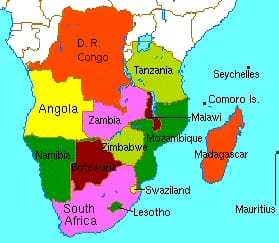
Angola imported $500 million worth of Brazilian beef in 2023, while Namibia, renowned for its EU-certified beef, struggled to secure regional buyers. Mozambique paid $312 million for coal imports, despite Zimbabwe’s vast reserves. Malawi sourced $48 million in grain from the UAE, ignoring Tanzania’s surplus maize priced at nearly half the cost.
“We’re trapped in colonial trade routes,” said Namibian beef exporter Paulus Ndongo.
“My trucks take three days to clear customs at the Zambian border, but my beef reaches Europe in 48 hours. How do we compete with Brazil?”
Roots of the Crisis:
Policy Chaos and “Elite Capture”
SADC nations operate under conflicting tariffs, product standards, and customs regimes. A 2022 World Bank report found that transporting goods from Zambia to Tanzania costs 30% more than shipping from China to Dar es Salaam.
“Harmonizing tariffs is stuck in committee debates,” admitted SADC Trade Director Thandiwe Jere.
“Every nation fears losing revenue or control.”
Critics also point to vested interests.
“Powerful actors profit from foreign contracts,” said Zambian civil society leader Grace Mbena.
“Why would elites in Luanda buy Namibian beef when Brazilian deals line their pockets?”
Infrastructure: The Broken Backbone
Decaying roads, defunct railways, and clogged ports force countries to default to global markets. Zimbabwe’s coal sits stranded due to inadequate rail links to Mozambique, while Malawi’s grain imports from the UAE arrive faster than Tanzanian shipments via dilapidated highways.
The Human Cost:
Small-scale farmers and businesses bear the brunt. Tanzanian maize trader Amina Selemani said,
“We’re ready to feed Malawi, but our officials haven’t agreed on phytosanitary certifications for years. Meanwhile, children go hungry.”
A Path Forward?
The African Continental Free Trade Area (AfCFTA) offers hope, but SADC’s internal cohesion is critical.
“Rotating $32 billion in regional trade annually is achievable,” argued Mbeki.
“It requires removing just five key barriers: tariffs, roadblocks, currency barriers, distrust, and greed.”
“SADC’s leaders must decide: Are we a bloc of middlemen for foreign economies, or a united front for our own prosperity?” challenged Ndongo.
“The answer will define Africa’s future.”
Zim GBC News©️