

Dennis Ndlovu I Zim GBC News
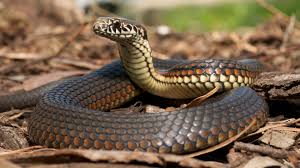
As the rainy season drives snakes into residential areas, a Zimbabwean snake catcher is warning residents that attempting to kill or catch the reptiles is the primary cause of bites.
Ahmed Mohamed Esat urges calm and proactive property management to safely coexist with, rather than fight, the snakes.
He said physically attempting to catch or kill a snake significantly increases the risk of being bitten.
“Physically interacting with snakes, either in attempt to catch or kill, significantly increases your chance of being bitten,” he said.
He added that contrary to popular belief, snakes do not attack people unless they feel they have no escape route.
“Snakes will not attack you unless they cannot find an alternative escape route or course of action; bites are always the last resort on the part of the snake,” he explained.
Mr Esat said most snake bites are linked to human activity, including attempts to chase, kill or disturb the animal.
“Mostly human activities are the main cause of snake bites,” he said.
He advised that if a person sees a snake, they should remain still or slowly back away while keeping sight of it.
“If you can see the snake, stand still or back away slowly , keeping an eye on where the snake goes; panic is not useful,” he said.
“If you see a snake, observe and shout out for help.”
During the rainy season, snakes are more likely to seek shelter in residential areas, he said, as their natural habitats become waterlogged.
“Most of the time snakes come to people’s habitats to seek shelter, especially during the rainy season where their shelter will be wet,” he said.
He added that snakes sometimes enter homes while chasing prey such as rats or frogs. Poor waste management and the presence of rodents can indirectly attract snakes to residential areas.
“Snakes sometimes come to houses chasing rats or frogs. If you have rodents, they attract insects and other small animals, which can in turn attract snakes,” he said.
He noted that snakes are often found in brick piles stacked in yards and in trees close to houses. Residents are advised to clear such areas and cut overhanging trees to reduce the likelihood of encounters.
If a snake is suspected to be living in or around a home, Mr Esat said it may be attracted by rodents drawn to food waste.
“If you are concerned that they have taken up residence in your house, it is likely because of a large resident rodent population attracted to food and refuse,” he said.
He advised residents to contact a qualified professional to remove the snake and to improve sanitation to deter rodents.
In the event of a bite, he urged people not to attempt home remedies.
“When bitten by a snake, use just running water to wash the bite and make sure you immediately seek medical attention,” he said.
He also recommended taking a photograph of the snake, if it is safe to do so, to assist medical staff with identification.
He identified puff adders as among the most common snakes involved in bites, describing them as less likely to move away when approached.
“Puff adders are common. They are lazy and stubborn, they don’t run,” he said.
Mr Esat said his approach is to relocate rather than kill the animals.
“I don’t kill the snake. I catch the snakes and put them back in places where people don’t usually go,” he said, citing areas such as Matobo National Park.
He said greater awareness, improved sanitation and caution could significantly reduce snake bite incidents across communities.
Follow Zim GBC News for more updates:
· X (Twitter): @ZimGbc
· Instagram: @ZimGBCNews
· TikTok: @ZimGBCNews_01
· Facebook: Zim GBC News
· YouTube: Zim GBC News
Get real-time alerts on WhatsApp:
+263 773 820 323
For in-depth coverage, visit our website:
www.zimgbcnews.co.zw
Zim GBC News | Global News From An African Perspective©2026