
Innocent Sibonginkosi Ncube | Zim GBC News
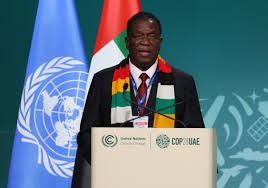
HARARE – The future of HIV treatment for 1.2 million Zimbabweans hangs in the balance after the United States confirmed it will begin winding down health assistance to Zimbabwe, following President Emmerson Mnangagwa’s unilateral withdrawal from negotiations on a new bilateral health agreement.
In a statement issued on Tuesday, the US Embassy in Harare confirmed that the Government of Zimbabwe had formally communicated its decision to walk away from talks regarding a proposed health Memorandum of Understanding (MOU). The deal would have injected US$367 million into the country’s health sector over the next five years, funding HIV/AIDS treatment, TB, malaria, and maternal health programmes.
The diplomatic rupture follows a leaked directive from President Mnangagwa, who ordered a halt to negotiations, arguing the proposed terms threatened national sovereignty.
A letter dated December 23, 2025, from Foreign Affairs Secretary Albert Chimbindi instructed Finance and Health officials to cease discussions immediately.
“The President has directed that Zimbabwe must discontinue any negotiation with the USA on the clearly lopsided MoU that blatantly compromises and undermines the sovereignty and independence of Zimbabwe as a country,” the letter stated.
Diplomatic sources indicate that Harare objected to provisions granting US officials long-term access to national health data, which was viewed as a security risk, as well as clauses allegedly linking health funding to access to Zimbabwe’s critical mineral resources.
US Ambassador to Zimbabwe, Pamela Tremont, expressed deep regret over the decision, warning of the immediate consequences for millions of Zimbabweans reliant on life-saving treatment.
“We believe this collaboration would have delivered extraordinary benefits for Zimbabwean communities—especially the 1.2 million men, women, and children currently receiving HIV treatment through U.S.-supported programs,” Ambassador Tremont said.
“We will now turn to the difficult and regrettable task of winding down our health assistance in Zimbabwe.”
Tremont noted that Zimbabwean authorities had assured the US mission that they are prepared to sustain the fight against HIV/AIDS.
“We wish them well,” she added.
The proposed MOU was the largest potential health investment in Zimbabwe by any international donor and was built on a co-funding model designed to transition the country toward self-reliance. It required Zimbabwe to gradually increase its own health funding alongside US contributions.
Since 2006, the US has invested over US$1.9 billion in Zimbabwe’s health sector, with American-funded programmes credited with helping the country achieve the UNAIDS 95-95-95 targets—the global benchmark for HIV treatment and suppression.
The US Embassy emphasised that the rejected deal was part of a broader America First Global Health Strategy, with sixteen African countries, including Rwanda, Uganda, and Lesotho, having signed similar agreements. These deals represent over US$18.3 billion in new health funding across the continent.
“The United States has a responsibility to American taxpayers to invest their resources where mutual accountability, transparency, and shared commitment are assured,” Tremont said.
With the US now pulling the plug, the Mnangagwa administration is under immense pressure to explain how it will fill the massive funding gap and sustain treatment for the 1.2 million Zimbabweans currently on US-supported HIV programmes.
As of Tuesday evening, the government had not issued a detailed transition plan.
FOLLOW US FOR REAL-TIME UPDATES:
- X (Twitter): @ZimGbc
- Instagram: @ZimGBCNews
- TikTok: @ZimGBCNews_01
- Facebook: Zim GBC News
- YouTube: Zim GBC News
Get real-time alerts on WhatsApp:
+263 773 820 323
For in-depth coverage, visit our website: www.zimgbcnews.co.zw
Zim GBC News | Global News From An African Perspective©2026