

Zim GBC News | Health Correspondent
Zimbabwe’s Treasury has given the green light for the release of approximately US$30 million to fund the second phase of cancer diagnostic equipment procurement, as Government ramps up efforts to strengthen oncology services across the country.
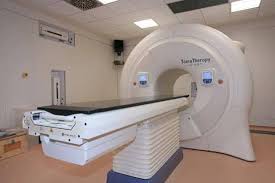
The announcement follows the arrival of the first two low-energy cancer treatment machines, sourced from the Netherlands at a cost of around US$8 million. The equipment is part of a wider modernisation programme aimed at upgrading public health infrastructure.
Sugar Tax Driving Health Investment
The procurement initiative is being financed through revenue generated from the Sugar Tax, introduced in 2024. The tax was designed to curb the consumption of sugary drinks—a leading contributor to non-communicable diseases (NCDs)—while ensuring that funds are ring-fenced for critical health sector investments.
Health and Child Care Minister, Dr Douglas Mombeshora, confirmed that Treasury’s approval now allows Government to move forward with the next phase of procurement.
“We now have authority to do the procurement for the second phase. We are looking at various pieces of diagnostic equipment to help in the diagnosis of cancer,” he said.
Strengthening Diagnostic Capacity
According to the National Cancer Registry, Zimbabwe recorded 7 841 new cancer cases in 2018, with women disproportionately affected. The rising burden of cancer, alongside other NCDs such as hypertension, diabetes, and cardiovascular diseases, has placed increasing strain on the health system.
The second phase of procurement will focus on enhancing diagnostic capabilities across the country. Government plans to acquire:
· CT scanners for all five central hospitals and selected provincial hospitals
· MRI machines for all central hospitals
· Mammogram machines for breast cancer detection
· Additional ultrasound and X-ray equipment
The first phase concentrated on treatment capacity, with the procurement of four cancer treatment machines.
Installation and Infrastructure Progress
The two low-energy machines already in the country are currently being stored at NatPharm. They will be installed at Mpilo Central Hospital and Parirenyatwa Group of Hospitals.
Construction of specialised radiation bunkers—essential for safely housing the machines and preventing radiation leakage—is expected to commence soon, following plan approvals by the Public Works Department. The process is anticipated to take approximately three months.
Meanwhile, two multi-energy linear accelerator machines, valued at about US$19 million, have been manufactured in the Netherlands and are awaiting pre-shipment inspection by a Zimbabwean team.
Minister Mombeshora acknowledged earlier delays linked to supplier manufacturing processes, which only begin after deposit payments are made. However, he confirmed that the programme is now at an advanced stage.
The expansion marks a significant milestone in improving early cancer detection and treatment access within Zimbabwe’s public health system.
FOLLOW US FOR REAL-TIME UPDATES:
· X (Twitter): @ZimGbc
· Instagram: @ZimGBCNews
· TikTok: @ZimGBCNews_01
· Facebook: Zim GBC News
· YouTube: Zim GBC News
Get real-time alerts on WhatsApp:
+263 773 820 323
For in-depth coverage, visit our website: www.zimgbcnews.co.zw
Zim GBC News | Global News From An African Perspective©2026