

Zim GBC News | Harare Correspondent
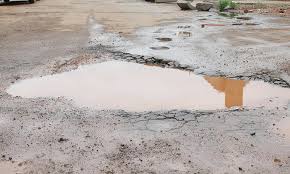
HARARE, Zimbabwe – The Ministry of Transport and Infrastructural Development has launched a nationwide campaign urging citizens to report potholes via dedicated provincial hotlines, framing it as a collaborative effort to address the country’s severe road infrastructure crisis.
The initiative, rolled out on January 19, 2026, asks the public to send clear photos, videos, and exact locations of road defects to designated engineers in all ten provinces to enable what the ministry calls “swift action.”
In a statement, the Ministry positioned the move as a partnership with citizens.
“Your vigilance is invaluable. Prompt reports enable faster response, efficient resource allocation and prevent minor issues from becoming hazards,” it said, adding that the program aligns with President Emmerson Mnangagwa’s mantra of “leaving no one and no place behind.”
Public Skepticism Meets Cautious Hope
The appeal comes amid widespread frustration over the deteriorating state of urban and rural roads, which have become notorious for damaging vehicles, disrupting commerce, and posing serious safety risks. Public reaction has been sharply divided, reflecting a deep-seated skepticism toward government promises.
“Kushaya zvekuita uku. Ko Byo–Vic Falls Road ine mapotholes here kana kuti hapachisina road? How do we report it since they want to concentrate on potholes?” commented one resident in a WhatsApp group, highlighting the absurdity of reporting roads that have effectively ceased to exist.
Another, referencing the Tsholotsho–Nyamandlovu Road, added:
“Haaa, is there any need to report potholes paroad yagara yakatofa hayo? Hakuchina road.”
Yet, a sliver of cautious optimism exists.
“Will test it out tomorrow morning,” said one resident, while another noted,
“Now that the central government realises the involvement of ordinary citizens is vital, I hope our cities will do likewise. We are tired of numerous excuses.”
Analysts Point to Systemic Failures, Demand Accountability
Analysts and citizens alike argue that the crisis stems from systemic issues—chronic underfunding, delayed maintenance, and weak accountability—that a hotline cannot fix alone.
“If they are sincere that they will act quickly, we shall see, because sincerity is measured by outcomes, not statements,” said political analyst Farai Pfachi.
“My view comes against the backdrop of past pledges, including toll revenues and rehabilitation programmes whose impact has yet to be fully realised.”
Msebele emphasized that for the initiative to be credible, it must be backed by guaranteed funding, published repair schedules, and clear public feedback mechanisms.
“Without these, it risks becoming symbolic rather than operational,” he warned.
Another analyst, Iphithule Mpahosa, pointed to governance failures.
“The statement directs reports to provincial engineers… but it does not clarify coordination with cash-strapped local authorities. The public needs to know who fixes what, and by when.”
A History of Distrust
Public trust has been eroded by previous incidents. Many cite the Ministry’s’s initial dismissal last year of a viral image showing three people sitting in a massive pothole on the Bulawayo–Victoria Falls highway as “fake,” only to later scramble contractors for repairs.
“How many times have we reported? People post on social media, tell councillors, even comment directly to officials online, but the potholes remain,” said motorist Patrick Ndlovu.
“We always hear there is no money. Now how will these hotlines change anything?”
For drivers like Paul Choruma, the problem is one of long-term neglect, not just seasonal rains.
“The roads are terrible… Yes, it’s raining now, but potholes have always been there, even during dry months.”
As the Ministry promotes its new hotlines, the court of public opinion will judge it on one criterion: visible, sustained, and quality repairs on the ground.
Until then, for many Zimbabweans, the announcement feels less like a solution and more like a shifting of the state’s burden onto the shoulders of an already burdened public.
FOLLOW US FOR REAL-TIME UPDATES:
· X (Twitter): @ZimGbc
· Instagram: @ZimGBCNews
· TikTok: @ZimGBCNews_01
· Facebook: Zim GBC News
· YouTube: Zim GBC News
Get real-time alerts on WhatsApp:
+263 773 820 323
For in-depth coverage, visit our website: www.zimgbcnews.co.zw
Zim GBC News | Global News From An African Perspective©2026