

Zim GBC News
A provocative historical analysis contends that the British colonial project in Zimbabwe was fundamentally designed to dismantle the centralized Ndebele state, rather than to conquer the disparate Shona-speaking communities—a narrative the author claims has been misrepresented for over a century.
In an article published via ZimEye, Engineer Jacob Kudzayi Mutisi challenges mainstream historical perspectives, arguing that colonial forces targeted power and sovereignty, not decentralized societies.
“Colonialism did not target the weak, it targeted power,” Mutisi writes.
“In the 1890s, only one African polity met that definition in what is now Zimbabwe—the Ndebele Kingdom under King Lobengula.”
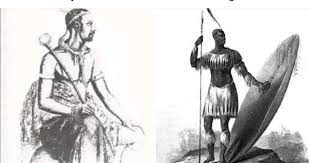
The piece asserts that the Ndebele state, with its organized military regiments, tribute systems, and territorial control, represented the sole unified political authority that stood as an obstacle to British expansion.
“The British South Africa Company did not negotiate, administrate or ‘civilise’ the Ndebele. It fought them. Two wars. Maximum violence. Total destruction of sovereignty,” Mutisi states.
He argues that the concept of a unified “Shona” political identity is largely a colonial administrative creation.
“The Shona were never a unified political power. The uncomfortable truth is that ‘the Shona’ did not exist as a political entity before colonial rule,”
He writes, pointing to the various chiefdoms like the Zezuru, Karanga, and Manyika as historically separate entities.
According to Mutisi, the colonial strategy involved dismantling Ndebele structures first before imposing control over the broader territory.
“Only after the Ndebele were defeated did the British move freely across the land. Shona areas fell not because of conquest, but because the shield that once dominated the territory had been smashed.”
The commentary also touches on cultural assimilation during the Ndebele kingdom’s peak.
“It is also historically documented that during the height of Ndebele dominance, many communities adopted Ndebele names, customs and language. This was not cultural betrayal, it was political survival.”
Mutisi concludes with a call for historical reassessment:
“Zimbabwe does not need comforting myths. It needs historical courage. Until we acknowledge who truly ruled this land and why colonialism had to destroy them, we will continue arguing over shadows rather than confronting facts.”
The article has sparked renewed debate among historians and cultural commentators regarding pre-colonial power structures and the legacy of colonial historiography.
Follow Zim GBC News for more updates:
· X (Twitter): @ZimGbc
·Instagram: @ZimGBCNews
·TikTok: @ZimGBCNews_01
·Facebook: Zim GBC News
·YouTube: Zim GBC News
Get real-time alerts on WhatsApp:
+263 773 820 323
Zim GBC News | Global News From An African Perspective©️2025