

Zim GBC News | Business Reporter
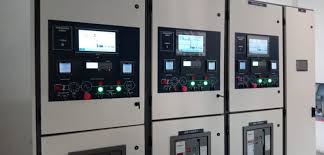
PENHALONGA – In a significant boost to Zimbabwe’s power generation capacity, the Odzani Falls Power Station in Penhalonga is now 90% complete and is scheduled to begin feeding electricity into the national grid by the end of October.
The development has prompted a call from the Zimbabwe Energy Regulatory Authority (Zera) for more local and international investors to tap into the vast potential of mini-hydro projects, particularly in Manicaland province, to alleviate the country’s persistent energy shortages.
Victor Sibanda, a research and energy efficiency engineer at Zera, emphasised the critical role of such investments during a recent media tour of the facility.
“As Zera, we are calling local and international investors to invest in hydro power generation, as Manicaland has existing and planned mini-hydropower projects that can provide reliable, localised energy for communities and industries,” Sibanda stated.
He directly linked these projects to solving the national power crisis, noting,
“The country faces an erratic power supply, impacting economic sectors. Mini-hydropower projects offer localised power generation solutions that can mitigate these challenges.”
Owned by Penhalonga Energy (Pvt) Ltd, the Odzani Falls Power Station has an estimated capacity of 910 kilowatts, enough to power approximately 400 housing units. Gashirai Nyandoro, the senior operator at the station, confirmed the progress.
“This station will generate power into the national grid,” Nyandoro said.
“We have turbines that will produce a total of 500 kilowatts and are currently finalising work on the main canal. We aim to begin generating electricity by the end of October.”
The station joins other operational mini-hydro facilities in Manicaland, such as the Kupinga plant in Chipinge and the Pungwe A station in Honde Valley, demonstrating a viable model for localised power generation.
Economist Moses Mutasa, based in Mutare, acknowledged the promising prospects but highlighted the need for a supportive environment.
“Despite the promising prospects of mini-hydropower generation, challenges remain,” Mutasa said.
“Investors must navigate the regulatory environment and consider the long-term sustainability and profitability of such projects.”
This push for mini-hydro power represents a strategic move towards energy independence, with other projects like the planned 2.5-megawatt plant at Osborne Dam also in the pipeline, offering a cleaner and more reliable alternative to address power outages that sometimes last up to 18 hours.
Stay Connected with Zim GBC News:
· X (Twitter): @ZimGbc
· Instagram: @ZimGBCNews
· TikTok: @ZimGBCNews_01
· Facebook: Zim GBC News
· YouTube: Zim GBC News
Get real-time alerts on WhatsApp:
+263 773 820 323
For in-depth coverage, visit our website: www.zimgbcnews.co.zw
Zim GBC News | Global News From An African Perspective©2025
All rights reserved.